Africa · Kenya
Masai Mara
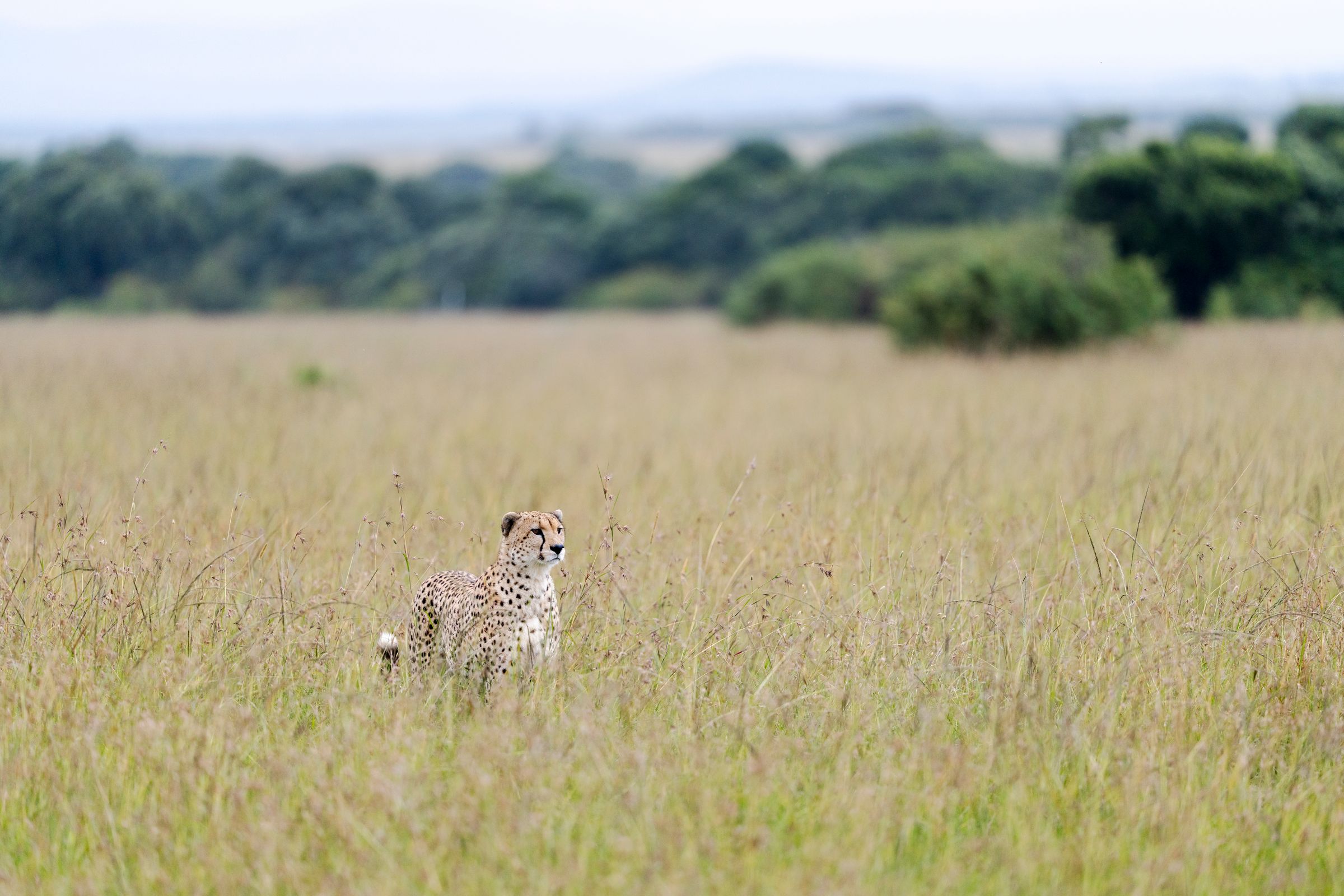
The Kenyan finale of the Great Migration, watched from the escarpment where a river decides who lives.
Plan this trip →- Suggested stay
- from 3 · 4 ideal · up to 7 nights
- Best season
- July through October for the Great Migration and Mara River crossings, with August and September the peak crossing window. The green season (December through March) offers superb resident game, big cats, dramatic skies and lower rates.
The Maasai Mara is where the Great Migration turns from a Tanzanian story into a Kenyan one. Each year, from roughly July, more than a million wildebeest and hundreds of thousands of zebra push north out of the Serengeti and pile up against the Mara River. What follows is the most concentrated wildlife drama on earth: herds massing on the banks for hours, then a sudden, chaotic plunge through crocodile-patrolled water. It is not a schedule so much as a standoff, and witnessing a crossing is a matter of patience and a very good guide.
The ecosystem has two very different halves. The national reserve, and within it the well-managed Mara Triangle, holds the classic river crossings and the postcard plains. Around it lies a ring of private conservancies, Olare Motorogi and Olderkesi among them, where a handful of camps hold traversing rights over vast, lightly used land. In the conservancies your guide can leave the road, drive after dark and walk you through the bush, none of which the reserve permits. The result is uncrowded big-cat viewing that rivals anywhere in Africa, often with no other vehicle in frame.
Where you sleep shapes the safari as much as when you come. Angama Mara commands the Rift Valley escarpment with what may be the finest view in the Mara. Mara Plains and Cottar’s trade the reserve’s crowds for private-conservancy exclusivity, the former with Relais & Châteaux polish and a National Geographic pedigree, the latter with a genuine century of family safari history. Sanctuary Olonana and andBeyond’s Bateleur put you on the river and in the migration’s path with lodge-grade comfort.
Access is refreshingly simple for a place this wild. You land at Nairobi, transfer to Wilson Airport, and fly forty-five minutes to an hour by light aircraft to a bush airstrip, where your camp’s 4x4 meets you and the game drive begins before you have unpacked. Private charter and helicopter transfers are available for those who want to skip the shared schedule entirely.
Come for the crossings between July and October, when August and September carry the highest odds, or for the green season from December, when the resident game, the big cats and the storm-light skies belong almost entirely to you.
Ideal for
First-time and returning safari travelers · Photographers and migration chasers · Honeymooners · Multigenerational families · Conservation-minded travelers
Where to stay
The Houses
Angama Mara
Angama (independent) · Escarpment safari lodge · Mara Triangle, high on the Oloololo (Great Rift Valley) escarpment
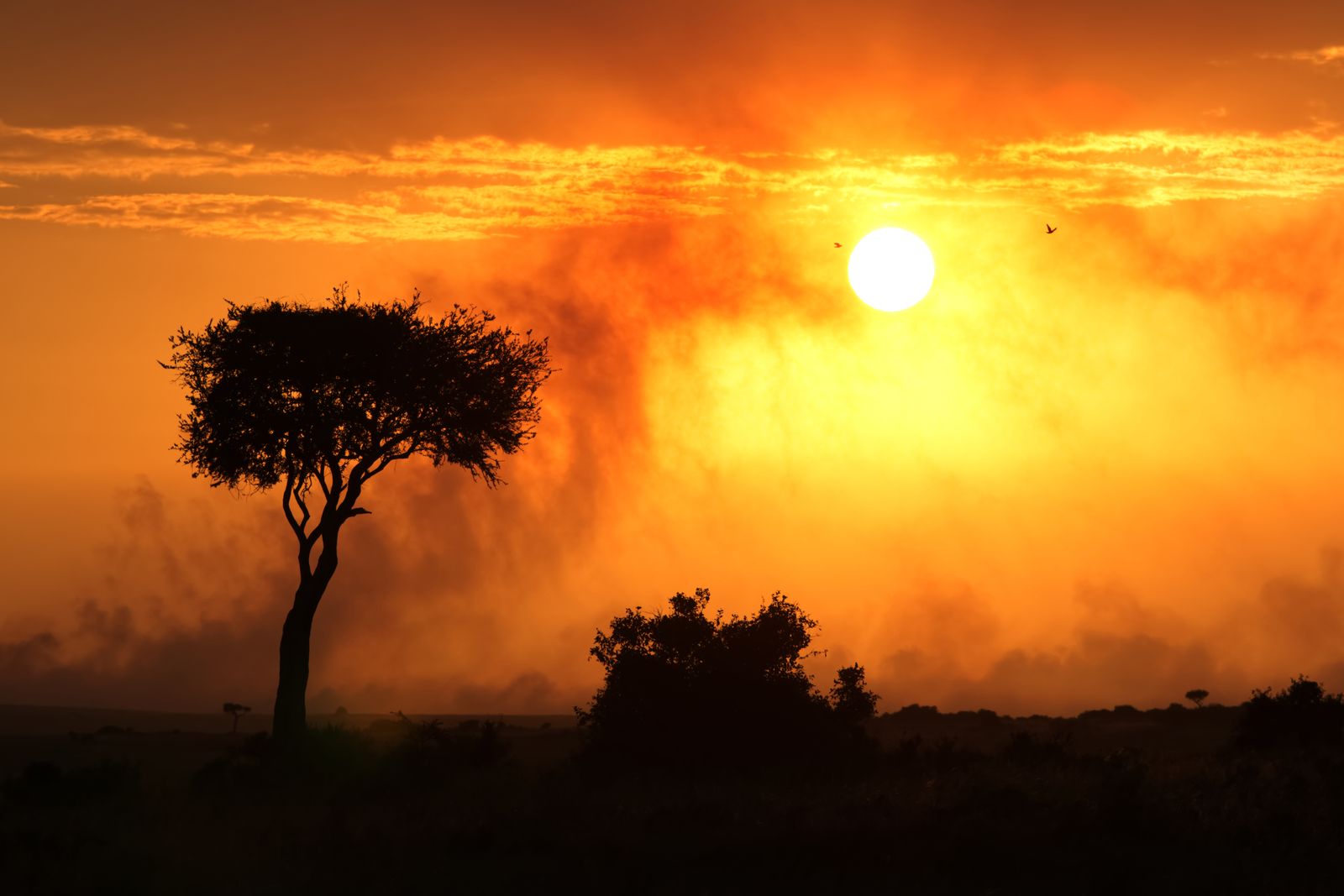
Angama Mara is suspended, as its Swahili name promises, mid-air on the Great Rift Valley escarpment overlooking the Mara Triangle, the least-crowded and best-managed sector of the ecosystem. Thirty glass-fronted tented suites split into two intimate camps of fifteen, each with a private deck and a panorama that runs unbroken to the Serengeti border. The lodge sits above the plains where the 1985 film Out of Africa staged its picnic scene, and it operates its own mobile Angama Safari Camp for private-use exclusivity deeper in the reserve. Owner-run and independent, it is widely regarded as the design and hospitality benchmark of the Kenyan Mara.
Why The single most spectacular room-with-a-view in the Mara, paired with private-conservancy-level guiding, a working photographic studio and a beadwork atelier employing local Maasai women.
Mara Plains Camp
Great Plains Conservation (Relais & Châteaux) · Tented conservancy camp · Olare Motorogi Conservancy, northern boundary of the Maasai Mara
Built by National Geographic Explorers-in-Residence Dereck and Beverly Joubert, Mara Plains is one of only two Relais & Châteaux properties in Kenya. Just seven tents sit along the Ntiakitiak River in the 35,000-acre private Olare Motorogi Conservancy, with traversing rights across roughly 100,000 acres of low-density conservancy land plus the reserve itself. Interiors marry campaign-safari romance with real refinement: copper bathtubs, Lamu-wood doors and sweeping verandahs, all solar-powered. Conservancy fees here directly support more than a thousand Maasai families.
Why Conservancy exclusivity means off-road driving, night drives and walking that the national reserve prohibits, plus some of the finest big-cat viewing in Africa at only seven tents.
Cottar's 1920s Safari Camp
Cottar's Safaris (independent, family-owned) · Heritage tented camp · Private Olderkesi Conservancy, southeastern edge of the Maasai Mara near the Tanzanian border
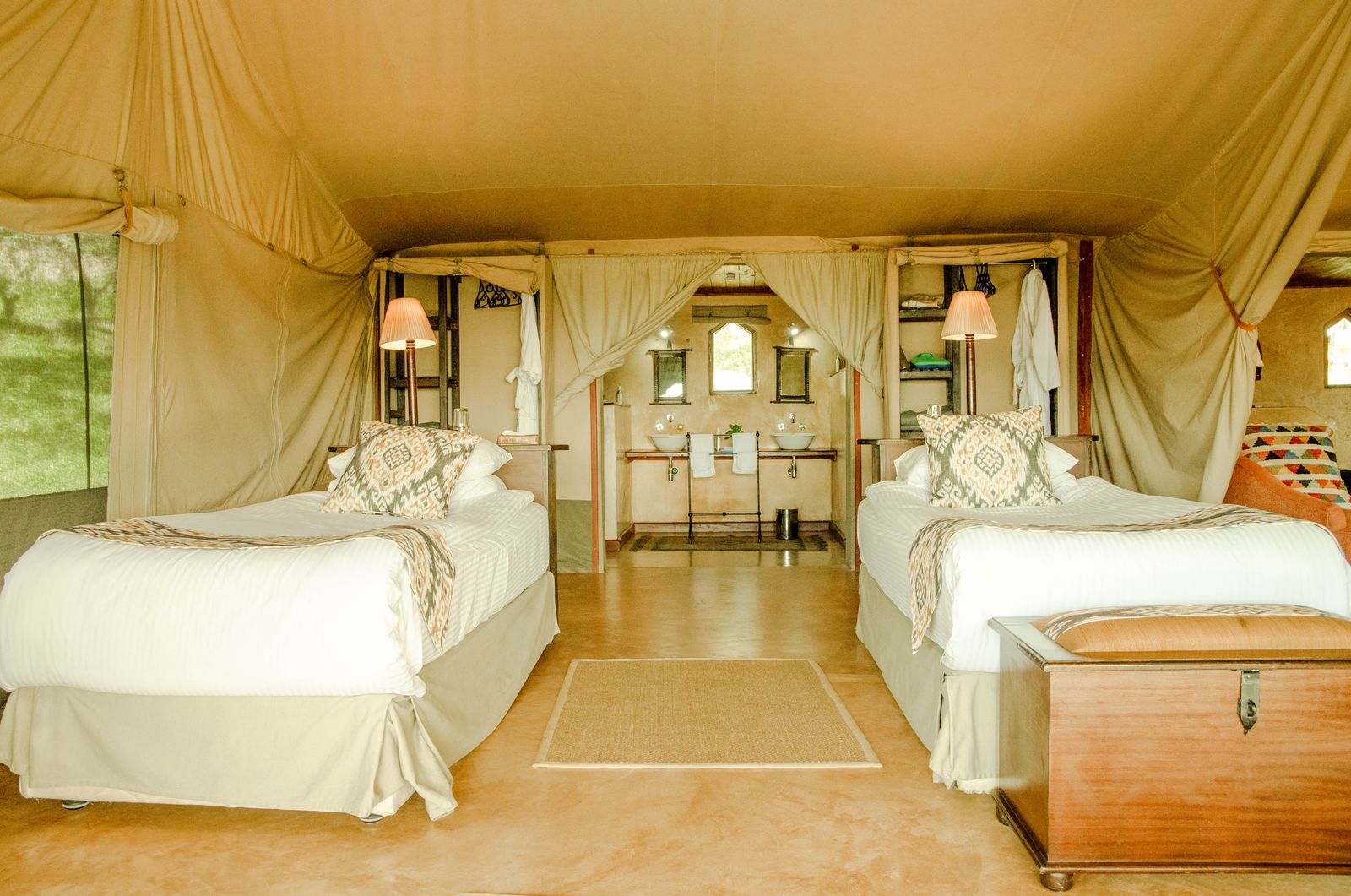
The Cottar family has been running safaris in East Africa for five generations and more than a century. Their 1920s Camp, opened in 1998 in the private 6,000-acre Olderkesi Conservancy, is a meticulously realized homage to the golden age of safari: canvas tents dressed with period furniture, silver service, Persian rugs and en-suite bathrooms, without a hint of pastiche. A separate Bush Villa suits families and private groups. Set beside a wildlife corridor to the Serengeti, it delivers big game with almost no other vehicles in sight.
Why An authentic living link to the origins of safari, in a private conservancy with genuine exclusivity and a deep, decades-long community and conservation commitment.
Sanctuary Olonana
Sanctuary Retreats (Abercrombie & Kent) · Riverfront suite camp · Private stretch of the Mara River below the Siria Escarpment, Mara Triangle side
Olonana occupies a coveted private bend of the Mara River, the very water the migration must cross. A comprehensive rebuild replaced its original canvas tents with fourteen glass-sided, air-conditioned suites, each with a plunge pool and a deck over the river where hippo and elephant pass within earshot. Part of the Abercrombie & Kent-owned Sanctuary Retreats collection, it balances contemporary polish with front-row access to river-crossing drama and an easy walk to a Maasai community it has long partnered with.
Why River-frontage suites put you within sight and sound of crossing points, with the space, air-conditioning and plunge pools that suit travelers wanting lodge comfort in a tented setting.
andBeyond Bateleur Camp
andBeyond · Forest tented camp · Kichwa Tembo private concession, western Mara Triangle at the foot of the Oloololo Escarpment
Bateleur sits in a shady riverine forest within the private Kichwa Tembo concession, on land leased from Maasai landlords in the remote western Mara. It is arranged as two nine-tent camps, North and South, each with its own pool, lounge and dining, giving families and groups the option of near-private buyout. The concession lies directly on a Great Migration path, and its Out-of-Africa styling, twice-daily drives, walks, balloon flights and spa treatments make it one of the most polished andBeyond addresses in the region.
Why Two small, self-contained camps ideal for private-use buyouts, in a private concession on a migration route with excellent western-Mara game and classic old-safari atmosphere.
Where to dine
The Tables
Angama Mara dining
Contemporary East African and international · lodge dining
Full-board dining with a view down the Rift Valley; the Pavilion serves refined plated menus and the celebrated bush breakfast is set on the escarpment edge.
Mara Plains Camp table
Gourmet safari, seasonal and local · tented fine dining
Relais & Châteaux-standard cooking at seven tents, from riverbank breakfasts to candlelit dinners; the guild affiliation guarantees a serious kitchen.
Cottar's 1920s dining
Classic silver-service safari · heritage safari dining
Period silver service, crystal and linen under canvas or the stars, recreating golden-age safari dining with produce from the camp's own kitchen garden.
Sanctuary Olonana riverside dining
International with Kenyan accents · riverfront lodge dining
Meals on decks above the Mara River, with hippo as a soundtrack; private in-suite and sandbank dining can be arranged.
Bush breakfast and sundowners (all camps)
Safari picnic and grill · in-bush experience
The definitive Mara dining ritual: a linen-set breakfast on the plains after a dawn drive, and gin-and-tonic sundowners as the light goes gold. Arranged privately by every listed camp.
What to do
Experiences
Mara River crossing game drives
By private guide and vehiclewildlife
Positioning at the river through July to October to witness wildebeest and zebra brave the crocodile-lined Mara River, the defining spectacle of the Kenyan migration.
Why The single reason most travelers come; a private guide reads herd behavior and holds position for the hours a crossing can take to build.
Hot-air balloon safari
By appointment, dawn departureadventure
A sunrise flight over the plains and river, followed by a Champagne bush breakfast on landing.
Why The only way to grasp the scale of the migration herds from above, and a bucket-list flight in its own right.
Private conservancy game drives (off-road, night, walking)
Conservancy guests onlywildlife
In Olare Motorogi and Olderkesi, guides may drive off-road to sightings, run night drives and lead walking safaris, all forbidden inside the national reserve.
Why Delivers close, uncrowded big-cat encounters and on-foot experiences impossible in the public reserve.
Maasai community and cultural visit
By private arrangementcultural
Guided visits to partner Maasai communities, beadwork ateliers and, where offered, warrior-led bush walks that share tracking and plant lore.
Why A genuine, camp-vetted cultural exchange rather than a staged village stop, tied to the conservancy leases that fund local families.
Photographic safari with specialist guide
By appointmentwildlife
Dedicated photographic vehicles, bean bags and specialist guides, plus Angama's on-site Photographic Studio for editing and printing.
Why Purpose-built for serious photographers chasing big cats and crossings, with in-camp expertise to match.
Shopping
The Maisons
In-camp boutiques and ateliers
Shopping in the Mara is confined to the camps themselves. Angama Mara's Shukas & Shades boutique and beadwork studio employs local Maasai women; most camps carry curated beadwork, textiles and conservation-linked crafts.
By appointment
Maasai beadwork commissions through Angama's studio · Curated craft and textile purchases arranged by camp managers
Arrival & departure
Coming & Going
Airports
International gateway; connect to Wilson Airport for the light-aircraft hop to the Mara.
Departure point for scheduled and charter flights to the Mara airstrips (roughly 45 minutes to 1 hour).
Private terminals
- Wilson Airport handles most safari charters; camps and operators arrange lounge and meet-and-greet on arrival
Meet & greet · gate escort
- Camp and operator representatives meet guests at NBO and at the Mara airstrip
- Abercrombie & Kent, andBeyond and Great Plains provide branded ground handling
First-class & arrivals lounges
- Airline and operator lounges at Wilson Airport for charter departures
Private transfers
- Airstrip-to-camp transfers are a guided game drive in the camp's own 4x4
- Relevant airstrips: Kichwa Tembo (Bateleur), Ol Kiombo (Olare Motorogi camps), Keekorok (Cottar's / Olderkesi), Mara Triangle strips near Angama and Olonana
Private aviation
- Scheduled light aircraft via Safarilink, AirKenya and Mombasa Air Safari from Wilson
- Private charter and helicopter transfers available from Wilson for direct airstrip access
Good to know
Questions & Answers
When is the best time to visit Masai Mara? +
July through October for the Great Migration and Mara River crossings, with August and September the peak crossing window. The green season (December through March) offers superb resident game, big cats, dramatic skies and lower rates.
How many nights should you spend in Masai Mara? +
4 nights is the sweet spot; 3 at a minimum, and up to 7 if you want to take it slowly.
What are the best luxury hotels in Masai Mara? +
The Grand Index ranks 5 houses in Masai Mara. The ultra-premier tier: Angama Mara, Mara Plains Camp, Cottar's 1920s Safari Camp. Each is bookable through our advisor at the same rate as direct, with VIP perks layered on.
Which airport do you fly into for Masai Mara? +
Jomo Kenyatta International Airport, Nairobi (NBO); Wilson Airport, Nairobi (WIL).
Can I book Masai Mara hotels through The Grand Index? +
Yes. Our advisor books every house featured here through Fora, a Virtuoso member agency, at the same rate you would pay direct — with VIP perks such as room upgrades, daily breakfast and a property credit layered on at no extra cost. Begin at the enquiry page.
Where to next
You might also like
Africa
Victoria Falls
Zimbabwe & Zambia
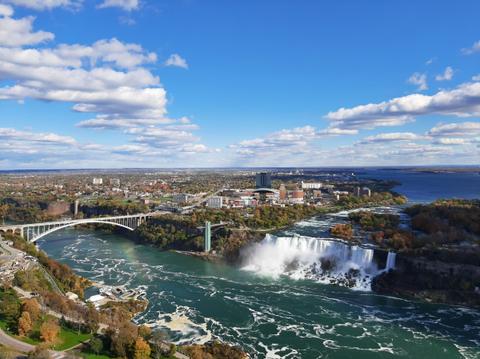
The smoke that thunders, approached on the discreet terms it deserves.
Africa
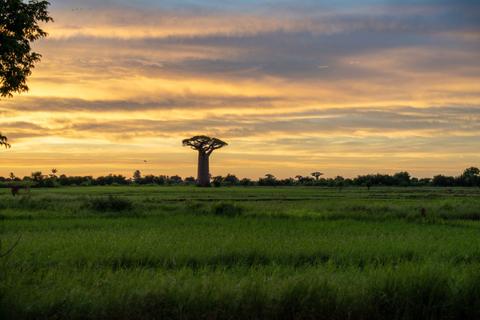
Madagascar
Madagascar
An island-continent where lemurs, baobabs and castaway shores reward those willing to travel far.
Africa
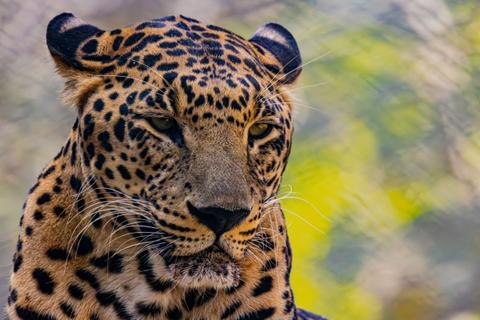
Sabi Sand
South Africa
The leopard capital of Africa, where the continent's most refined lodges share an unfenced wilderness with Kruger.