North America · Mexico
Oaxaca
The mole and mezcal heartland of the Americas, where a Zapotec kitchen tradition older than the conquest now wears Michelin stars.
Plan this trip →- Suggested stay
- from 3 · 5 ideal · up to 7 nights
- Currency
- Mexican peso (MXN)
- Language
- Spanish, Zapotec and Mixtec (regional), English (widely spoken in hospitality)
- Best season
- October to April, the dry season, is the surest window. Late October brings Dia de Muertos, when the city is at its most vivid and its most crowded, so book many months ahead. July stages the Guelaguetza indigenous dance festival. The green-mole rainy months of June to September are quieter and lush, with brief afternoon storms.
Oaxaca is the culinary capital of Mexico, and it does not much care whether the rest of the world has caught up. This is the land of seven moles, of chocolate ground on stone, of chapulines sold by the cupful in the markets, and above all of mezcal, the smoky agave spirit whose villages ring the valley like a rosary. When Michelin arrived in Mexico in 2024, Oaxaca collected a share of the stars out of all proportion to its size, confirming what cooks here have always known.
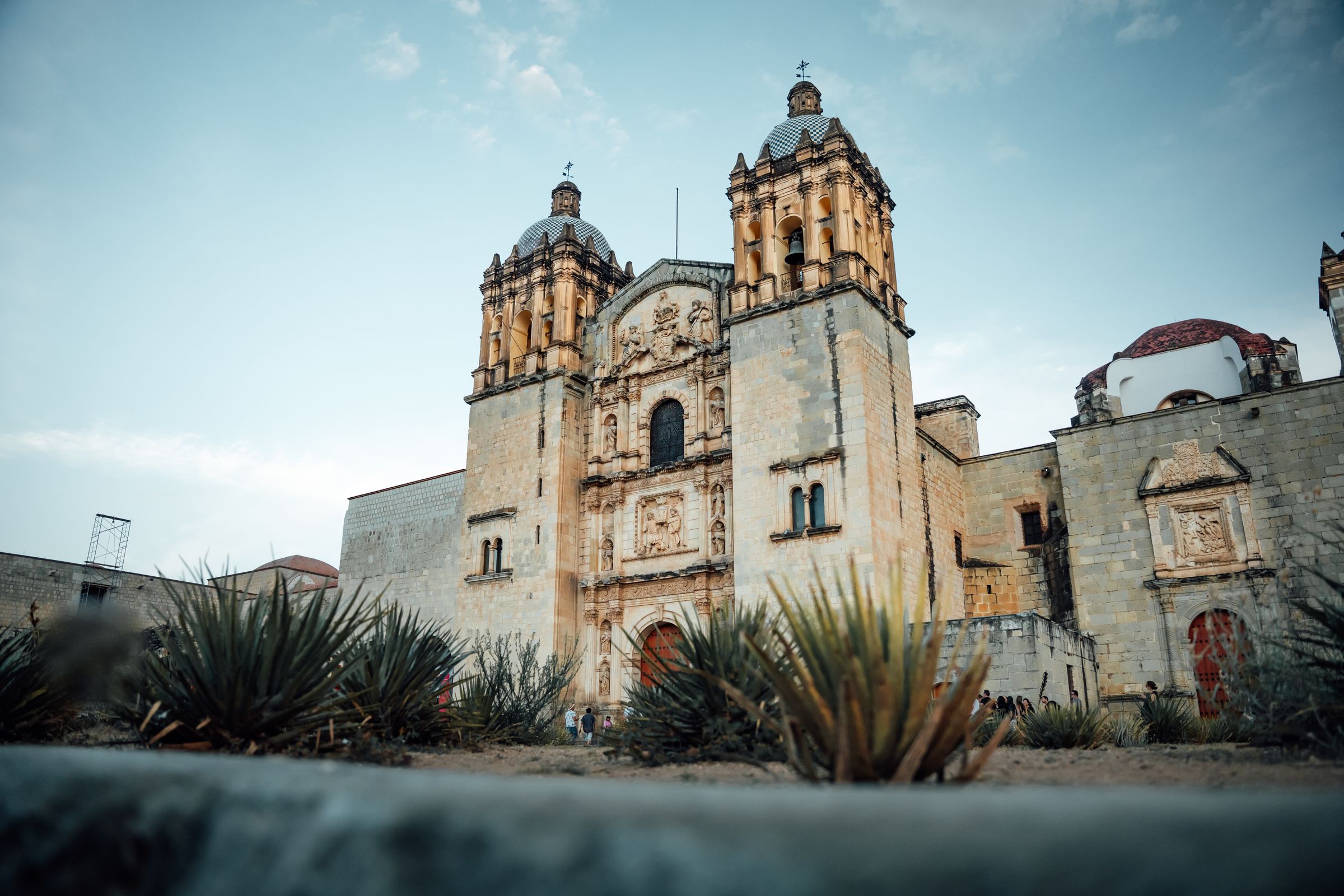
The city itself is a compact grid of low colonial stone, painted in ochre and jacaranda and cochineal red, anchored by the gold-leafed church of Santo Domingo and the market halls where the whole valley comes to trade. It is a place best walked slowly and eaten through methodically, moving from a home kitchen on the outskirts to a rooftop dining room above the cathedral to a candlelit courtyard where the tasting menu changes with the day.
The kitchens are the reason to come. Levadura de Olla and Los Danzantes each hold a Michelin star, the latter a Green Star as well, while Criollo, Casa Oaxaca, and Origen form a constellation of contemporary tables that have made this one of the most serious eating cities in the Americas. The chefs are known by name here, from Alejandro Ruiz to Rodolfo Castellanos to Thalia Barrios Garcia, and they cook from the same heirloom corn and wild herbs their grandmothers used.
Around the food sits everything else: the Zapotec ceremonial city of Monte Alban on its flattened mountaintop, the weaving and blackware and alebrije villages where craft is still a family inheritance, the mineral pools of Hierve el Agua, and palenque after palenque where mezcal is roasted in the ground. It is a destination that rewards a private guide and an unhurried week.
Stay in the historic center, where a former convent, a Grupo Habita design house, and a handful of intimate townhouses put everything within walking distance. Come in the dry season, or brave the crowds of Dia de Muertos, when Oaxaca becomes the most photographed city in Mexico for good reason.
Ideal for
Serious food travelers and mezcal collectors · Culturally curious couples · Craft and textile buyers · Design-minded slow travelers
Where to stay
The Houses
Hotel Escondido Oaxaca
Grupo Habita · Design boutique hotel · Historic center, near the Basilica de la Soledad
Grupo Habita's urban counterpart to its Puerto Escondido beach retreat, this twelve-room hotel joins a restored nineteenth-century house to an attached neo-Brutalist structure. The scale is almost residential, and the material palette is deliberately Oaxacan: wood, poured concrete, stucco, and textiles woven in nearby villages. Rooms range from compact Balcony and Patio rooms to a Top Suite, and the kitchen turns out a weekly changing tasting menu built on organic local produce.
Why The most design-forward address in the city, from the country's most respected boutique hotel group, and small enough to feel like a private house.
Quinta Real Oaxaca
Quinta Real · Historic convent hotel · Historic center, one block from Santo Domingo
Set inside the former Convent of Santa Catalina de Siena, built in 1577 and part of the city's UNESCO World Heritage core, this is Oaxaca's grande dame. Ninety-one rooms wrap around stone cloisters, fountain courtyards, and gardens, with the convent's original lavaderos still in place. The restrained, antique-furnished rooms trade contemporary flash for four centuries of atmosphere.
Why No other hotel in the city delivers this depth of history and monumental architecture; the cloisters alone justify the stay.
Casa Antonieta
Boutique townhouse hotel · Historic center, Calle Hidalgo
A restored family townhouse turned intimate boutique hotel, where the simplicity of a traditional Oaxacan home is refined with considered contemporary design. A handful of rooms open onto an inner courtyard, and the ground-floor cafe and mezcal bar make it a natural base for exploring the centro on foot.
Why The sweet spot of design, service, and location for travelers who want a smaller, more personal address in the heart of the walkable center.
Grana B&B
Design bed and breakfast · Historic center, one block from Santo Domingo
Fourteen individually designed rooms arranged around an inner courtyard, one block from the Santo Domingo church. Grana is a warm, curated bed and breakfast conceived for travelers with a genuine curiosity for Oaxacan culture, with communal gatherings, thoughtful sourcing, and a strong sense of place woven through the design.
Why A characterful, culture-first small hotel in the best part of the centro, ideal for independent travelers who want intimacy over grandeur.
Where to dine
The Tables
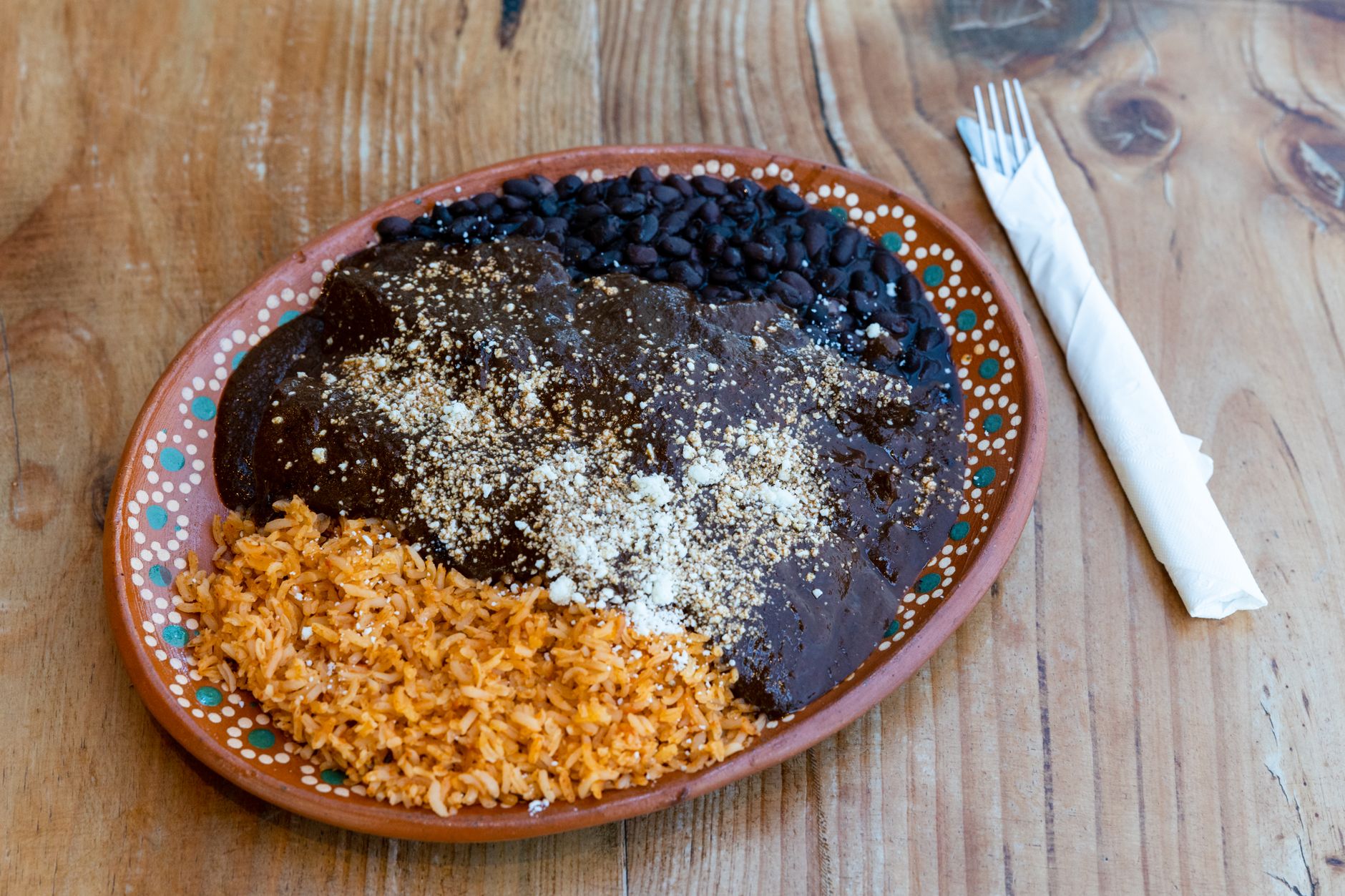
Levadura de Olla
1 Michelin starContemporary Oaxacan, country-inspired · fine dining
Chef Thalia Barrios Garcia has become the defining voice of a new Oaxacan cuisine, cooking heirloom corn, chiles, seeds, and wild herbs into dishes that read as both ancestral and utterly personal. Reserve well ahead.
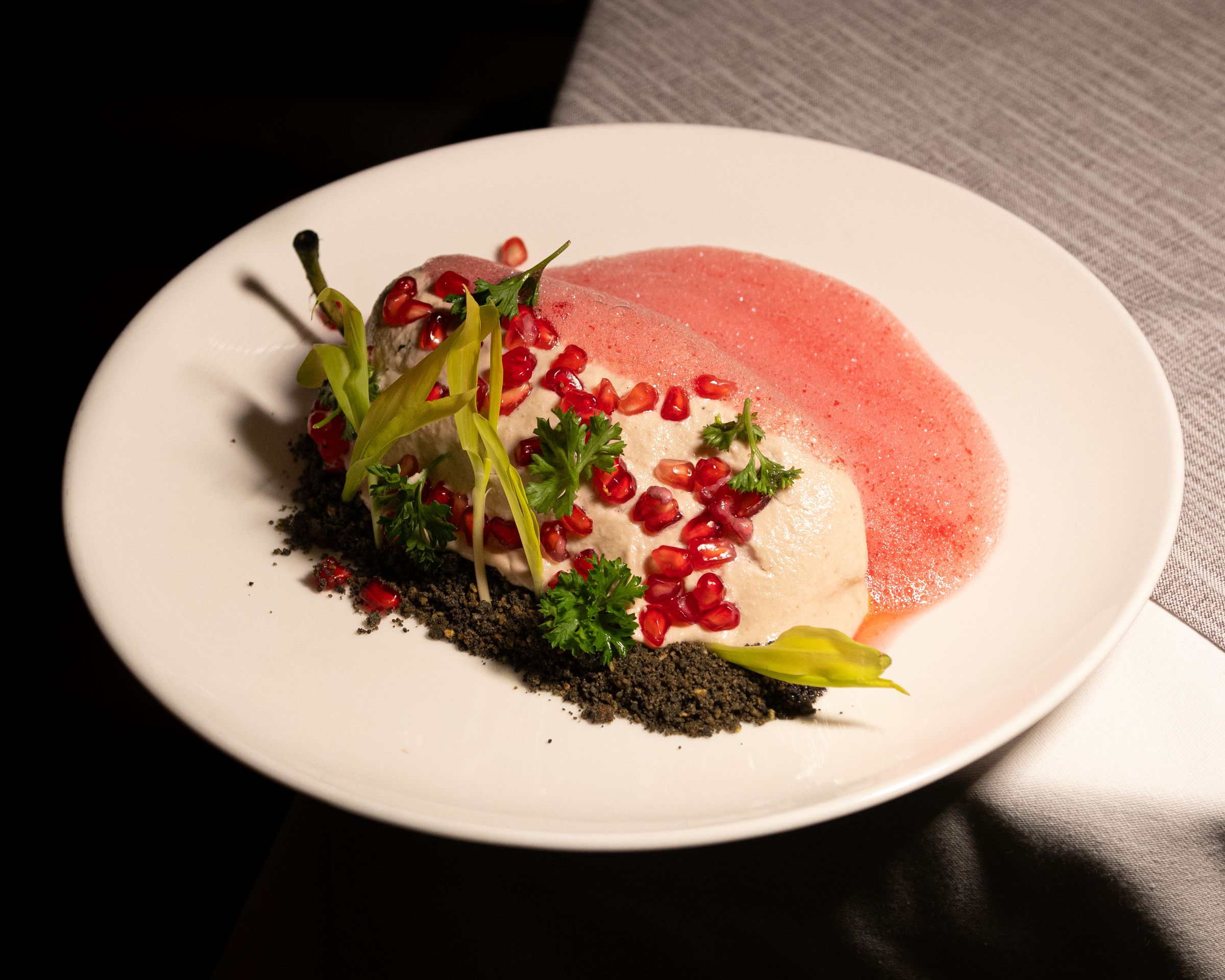
Los Danzantes Oaxaca
1 Michelin starContemporary Oaxacan · fine dining
A quarter-century institution set in a dramatic open-air courtyard, holding both a Michelin star and a Green Star for its sustainable sourcing. The house also distills its own acclaimed mezcal.
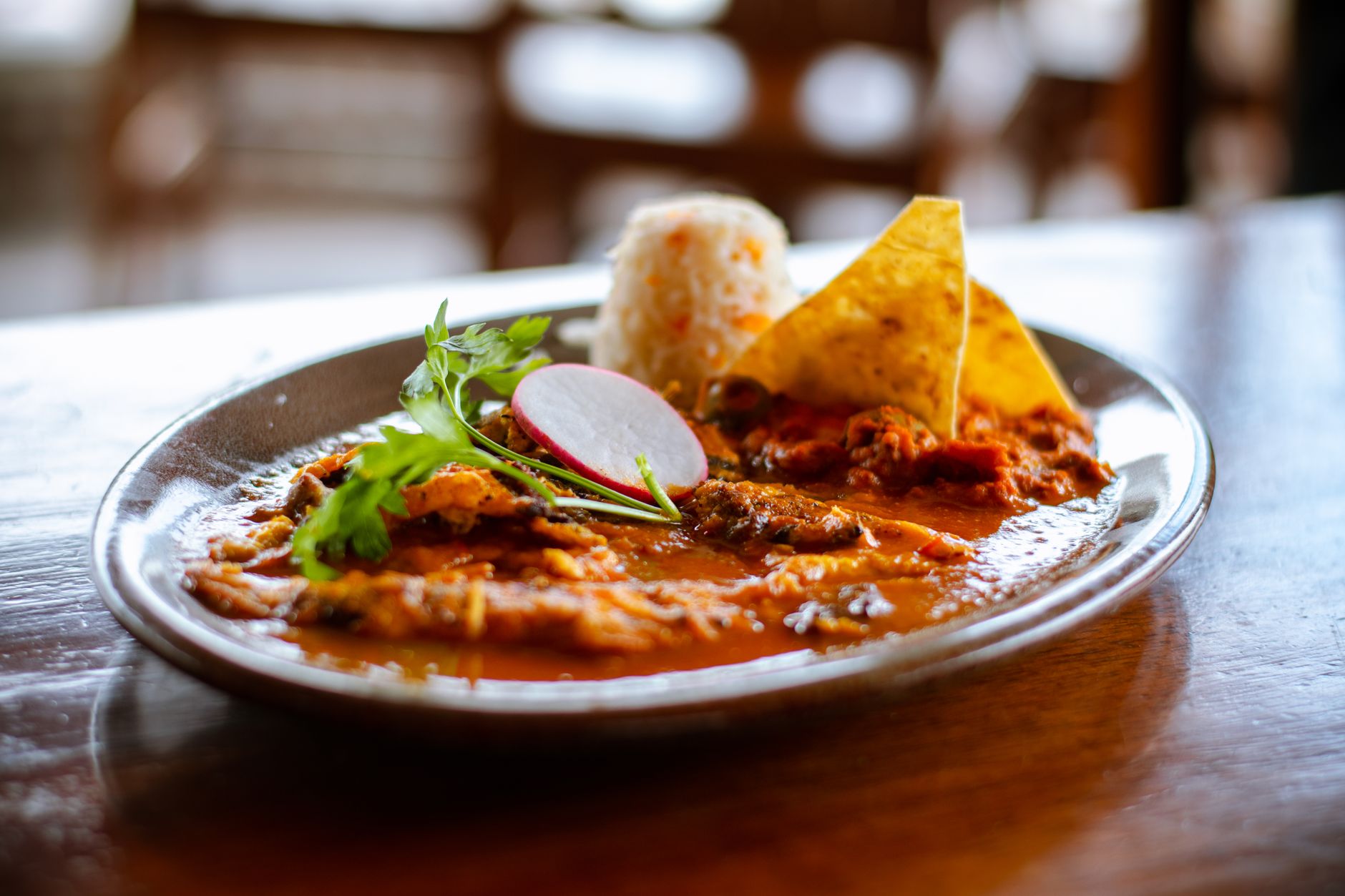
Criollo
Oaxacan tasting menu · fine dining
The Oaxaca project of Enrique Olvera (of Pujol) with local chef Luis Arellano, serving a daily-changing tasting menu in a candlelit, tree-canopied courtyard of a heritage guesthouse. One of the most talked-about tables in the country.
Casa Oaxaca El Restaurante
Contemporary Oaxacan · fine dining
Chef Alejandro Ruiz, the elder statesman of modern Oaxacan cooking, presides over a rooftop dining room with Santo Domingo views and moles guests can watch being ground tableside. The reference point for the city's contemporary scene since 2003.
Origen
Contemporary Oaxacan · fine dining
Rodolfo Castellanos reinterprets Oaxaca's millenary ingredients through French technique in an elegant colonial townhouse. His verb for it, aoaxacanar, captures the whole ambition of the city's kitchens.
Alfonsina
Traditional Oaxacan, home kitchen · destination home kitchen
Chef Jorge Leon cooks a single daily menu out of a family home on the city's edge, a pilgrimage for those chasing the most rooted expression of Oaxacan cooking. Booking is essential and seats are scarce.
What to do
Experiences
Private mezcal palenque tour, Valles Centrales
By private appointmentCulinary
A chauffeured day into the agave villages of Santiago Matatlan and beyond, tasting at small family palenques where mezcal is still roasted in earthen pits and crushed by tahona, with a curated flight of espadin and wild-harvested varietals.
Why The single most essential Oaxacan experience, best done privately with a specialist guide who can open doors to producers not on any public route.
Market and mole cooking class with a Oaxacan chef
Private, by arrangementCulinary
A morning through the Mercado 20 de Noviembre and Benito Juarez markets to source chiles, chocolate, and herbs, followed by a hands-on session grinding one of the seven classic moles. Several leading chefs, Rodolfo Castellanos among them, host private classes.
Why The clearest way to understand why Oaxaca is called the land of seven moles, taught by the people who define the city's cuisine.
Monte Alban with a private archaeologist
Private guideCultural
The mountaintop Zapotec capital above the city, a UNESCO World Heritage site, walked with a private archaeologist before the tour buses arrive, reading the ball court, carved danzantes stelae, and grand plaza in early light.
Why One of Mesoamerica's great sites, transformed by an expert guide and an early, uncrowded arrival.
Textile villages and natural-dye workshop
Private, by appointmentCraft
A day to Teotitlan del Valle for backstrap-loom weaving and cochineal and indigo dyeing with a master family, and to San Bartolo Coyotepec for the region's signature barro negro blackware, meeting artisans in their own workshops.
Why Direct access to living craft lineages, buying at the source rather than in a shop, with pieces you can watch being made.
Hierve el Agua and the Mitla circuit
Private car and guideNature and culture
The petrified mineral waterfalls and spring-fed pools of Hierve el Agua paired with the intricate stone-mosaic ruins of Mitla and the vast cypress of El Tule, ideally timed to reach the pools before the day-trippers.
Why A landscape-and-ruins day that rounds out the archaeology and mezcal focus, far better with private timing.
Shopping
The Maisons
Centro Historico and Calle Alcala
The pedestrianized Andador Turistico linking the Zocalo to Santo Domingo is lined with the city's best galleries, design shops, and craft boutiques, interspersed with mezcalerias and cafes.
Craft villages of the Valles Centrales
The surrounding villages are the true ateliers: Teotitlan del Valle for wool rugs and natural dyes, San Bartolo Coyotepec for barro negro blackware, San Martin Tilcajete and Arrazola for carved and painted alebrijes.
By appointment
Private studio visits with alebrije carvers in San Martin Tilcajete · Natural-dye and rug commissions with Teotitlan del Valle weaving families
Arrival & departure
Coming & Going
Airports
About 8 miles south of the historic center, roughly 20 to 30 minutes by car. Domestic connections from Mexico City, and limited international service; most long-haul travelers connect via Mexico City (MEX).
The principal international gateway, about a one-hour domestic hop or a five to six hour drive to Oaxaca. Many itineraries route through here.
Private terminals
- OAX has a general aviation apron with parking for fixed-wing aircraft and heliports for private aviation; no dedicated luxury FBO of note, so arrange handling in advance.
Meet & greet · gate escort
- Private meet-and-greet with name-board arrivals assistance can be arranged through hotels and specialist transfer operators
First-class & arrivals lounges
- Limited lounge provision at OAX; premium lounge access is via MEX when connecting
Private transfers
- Private car and SUV transfers airport to city center, roughly 20 to 30 minutes
- Chauffeured vehicles for the mezcal, Monte Alban, and textile-village day trips
Private aviation
- General aviation and helicopter operations supported at OAX; charter from Mexico City is a common private option given limited long-haul service into Oaxaca
Good to know
Questions & Answers
When is the best time to visit Oaxaca? +
October to April, the dry season, is the surest window. Late October brings Dia de Muertos, when the city is at its most vivid and its most crowded, so book many months ahead. July stages the Guelaguetza indigenous dance festival. The green-mole rainy months of June to September are quieter and lush, with brief afternoon storms.
How many nights should you spend in Oaxaca? +
5 nights is the sweet spot; 3 at a minimum, and up to 7 if you want to take it slowly.
What are the best luxury hotels in Oaxaca? +
The Grand Index ranks 4 houses in Oaxaca. The ultra-premier tier: Hotel Escondido Oaxaca, Quinta Real Oaxaca. Each is bookable through our advisor at the same rate as direct, with VIP perks layered on.
Which airport do you fly into for Oaxaca? +
Oaxaca International Airport (Xoxocotlan) (OAX); Mexico City International Airport (MEX).
Can I book Oaxaca hotels through The Grand Index? +
Yes. Our advisor books every house featured here through Fora, a Virtuoso member agency, at the same rate you would pay direct — with VIP perks such as room upgrades, daily breakfast and a property credit layered on at no extra cost. Begin at the enquiry page.
Where to next
You might also like

North America
Austin
United States
Live-fire cooking, lakeside calm, and a capital with no use for pretension.

North America
Boston
United States
Old-money New England, recast for the discerning modern traveller.
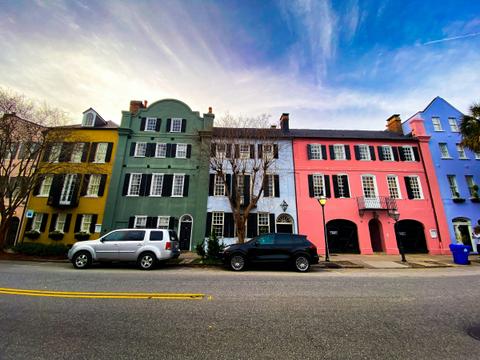
North America
Charleston
United States
Antebellum grace, a Michelin-anointed table, and the unhurried theatre of the Lowcountry.