Central & South America · Peru
Sacred Valley & Cusco
The beating heart of the Inca world, where Andean altitude meets unhurried luxury.
Plan this trip →- Suggested stay
- from 4 · 6 ideal · up to 9 nights
- Currency
- Peruvian sol (PEN)
- Language
- Spanish, Quechua, English (in hotels and tourism)
- Best season
- May through September, the Andean dry season, brings clear skies, cool nights and the most reliable Machu Picchu views; June's solstice festivities (Inti Raymi) are spectacular but crowd Cusco. The shoulder months of April and October offer green landscapes and thinner crowds. The Belmond Hiram Bingham luxury train runs only May 1 to December 31; January through March is the wettest period and the Inca Trail closes each February for maintenance.
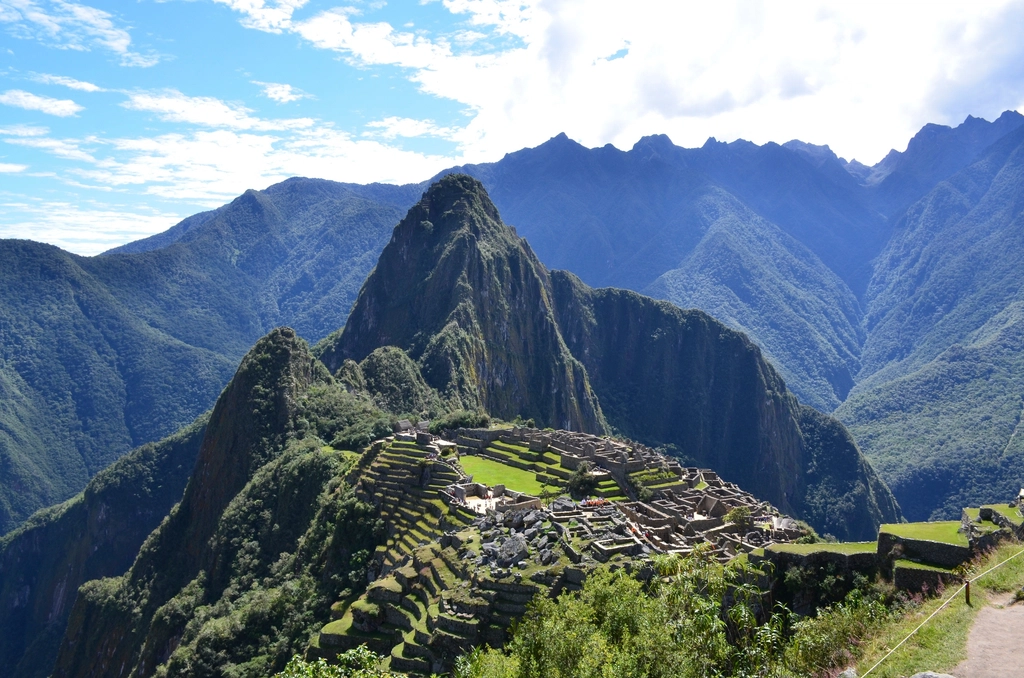
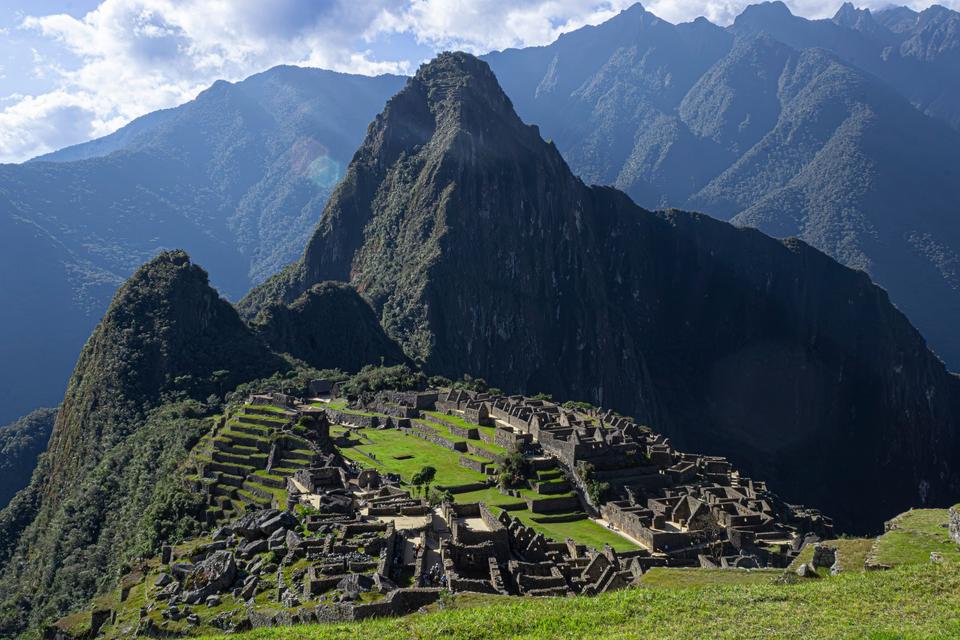
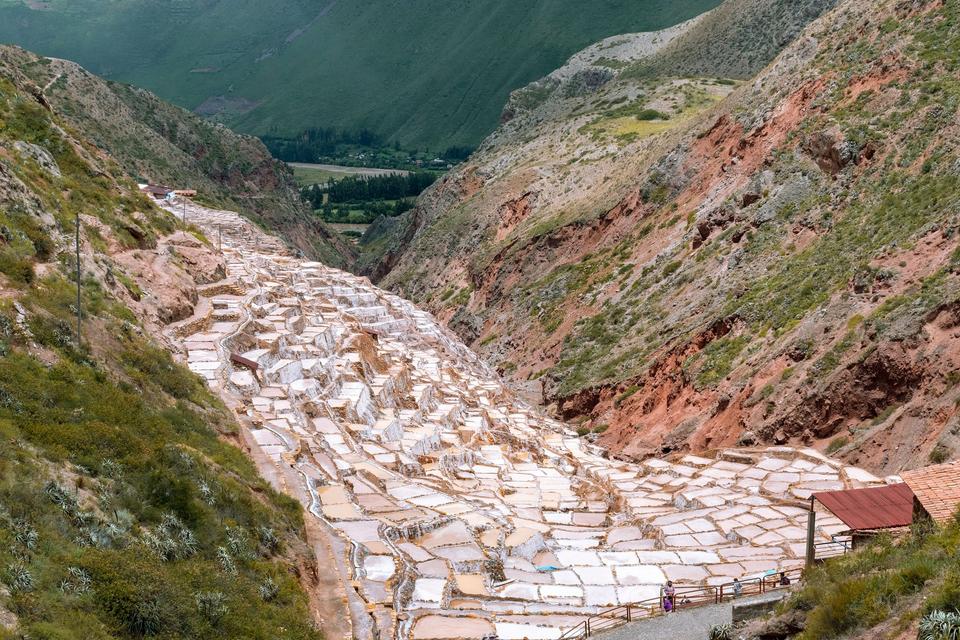
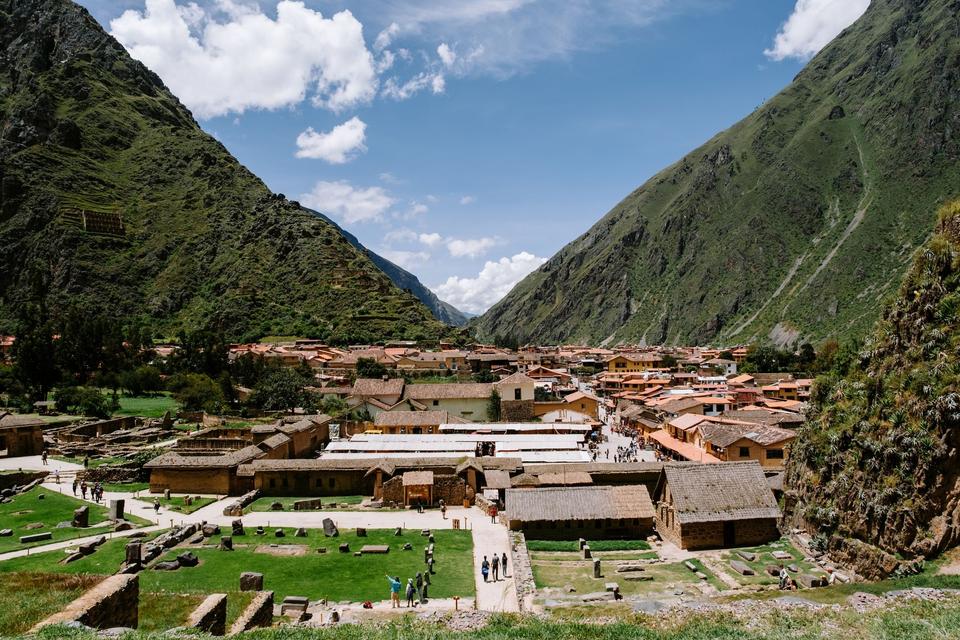
Few places concentrate so much history, altitude and quiet luxury into a single valley. The Sacred Valley of the Incas unfurls along the Vilcanota river between the imperial city of Cusco, perched at some 3,400 metres, and the citadel of Machu Picchu at the valley’s far end. This was the agricultural and spiritual heartland of the Inca empire, and the evidence is everywhere: the megalithic walls of Sacsayhuaman, the concentric terraces of Moray, the salt pans of Maras worked by hand for six centuries, and the market towns of Pisac and Chinchero where Quechua is still the language of the loom. It matters because nowhere else does a living Andean culture sit so seamlessly atop the ruins of one of the great pre-Columbian civilisations.
The valley is best experienced from the bottom up, both literally and figuratively. The wise arrival pattern is to descend on landing rather than linger in Cusco: the valley floor sits several hundred metres lower than the city, and a first night or two at a riverside lodge near Urubamba lets the body adjust before the thinner air of Cusco and the high passes. From that base, the region opens slowly through privately guided days, an early-morning citadel before the crowds, an afternoon among weavers, a long lunch above the Moray terraces, and reserves Cusco’s colonial splendour and altitude for the end of the stay rather than the beginning.
The rhythm here rewards patience over ambition. The light is theatrical, the distances deceptive, and the most memorable moments tend to be unhurried ones: a Pullman train climbing toward Aguas Calientes with a pisco in hand, a pachamanca drawn from an earth oven, the hush of Machu Picchu at first gate. Six nights is the sweet spot, enough to acclimatise gently, see the headline sites without rushing, and still keep a day in reserve for the valley itself, which too many travellers treat as a corridor to the citadel rather than the destination it is.
A great stay leans on the region’s two strongest assets: Belmond’s command of the luxury infrastructure, from the Palacio Nazarenas in Cusco to the riverside Rio Sagrado and the Hiram Bingham train, and the depth of expert guiding available through the better lodges. Dining is a genuine pleasure here, anchored by MIL above Moray, the Andean research kitchen run by the team behind Lima’s Central, and rounded out by the long-standing tables of Cusco. It is a destination that gives most to those who slow down, look up, and let a discreet concierge handle the altitude, the timing and the early gates.
Ideal for
Cultural travellers and amateur archaeologists · Active couples who pair adventure with comfort · Multi-generational families seeking a once-in-a-lifetime journey · Wellness-minded guests acclimatising slowly
In view
The Setting
Where to stay
The Houses
Palacio Nazarenas, A Belmond Hotel
Belmond · Convent palace hotel · Cusco, half a block from the Plaza de Armas
A former Inca palace turned colonial convent, restored as an all-suite urban retreat of 55 rooms arranged around cloistered courtyards. Each suite is oxygen-enriched to soften Cusco's 3,400-metre altitude, with a private bar stocked from the hotel's own gardens. The Hypnoze spa reveals Inca stonework beneath a glass floor, and Cusco's first outdoor heated pool hides behind an ancient facade.
Why The most refined address in Cusco proper, combining living history with the city's most thoughtful altitude comforts.
Explora Valle Sagrado
Explora · All-inclusive exploration lodge · Urquillos, Sacred Valley near Urubamba
Explora's Andean flagship sits on a 32-hectare estate of gardens and Inca terracing, conceived as a base camp for discovery rather than a conventional resort. The all-inclusive rate covers every meal, drinks and a daily roster of more than 40 guided explorations led by the lodge's own naturalists and historians. Floor-to-ceiling glass frames the valley and the Pumacahua bath house anchors the wellness offer.
Why The valley's most immersive stay for travellers who measure luxury in access and expertise rather than thread count.
Rio Sagrado, A Belmond Hotel
Belmond · Riverside villa hotel · Between Urubamba and Ollantaytambo, on the Vilcanota river
Built to resemble a small Andean village, Rio Sagrado tumbles down terraced gardens to the banks of the Vilcanota, widely regarded as the most serene retreat in Peru. Casitas and suites open onto the river and surrounding peaks, and the Mayu Willka spa draws on Andean botanicals. The lower altitude of the valley floor makes it a gentle place to acclimatise.
Why Belmond's quietest Peruvian property, a riverside hideaway that rewards slow days between excursions.
Tambo del Inka, a Luxury Collection Resort & Spa, Valle Sagrado
Marriott (Luxury Collection) · Riverside resort & spa · Urubamba, Sacred Valley
A contemporary resort on the Vilcanota in the heart of the valley, distinguished by the only private rail platform in Urubamba with direct departures to Machu Picchu. Rooms and suites open to Andes and river views, and the spa is among the most complete in the country, with a thermal circuit and indoor-outdoor pool. The scale and amenities suit families and longer stays.
Why The most convenient valley base for Machu Picchu, with resort facilities that families and groups appreciate.
Inkaterra Hacienda Urubamba
Inkaterra · Andean hacienda lodge · Yanahuara, near Urubamba
An owner-conceived hacienda and casitas set on a 100-hectare estate of native gardens and Andean farmland, from the Peruvian pioneer of conservation-led luxury hospitality. Rooms are warm and unfussy, with terraces facing the surrounding peaks, and the estate's own produce shapes the kitchen. Inkaterra's naturalist guides lead birding, planting and trekking from the door.
Why Peru's homegrown eco-luxury name, offering genuine sense of place and serious conservation credentials.
Where to dine
The Tables
MIL Centro
Andean tasting menu · Destination tasting restaurant with research centre
A multi-course journey through Andean ecosystems at 3,500 metres above the Moray terraces, and the single most ambitious table in the region.
Cicciolina
Mediterranean-Peruvian · Bistro and tapas bar
The locals' choice for more than twenty years, a warm colonial room serving confident Andean-Mediterranean cooking and an exceptional tapas counter.
MAP Cafe
Contemporary Peruvian · Fine dining in a museum courtyard
A glass pavilion in the courtyard of Cusco's pre-Columbian art museum, pairing refined Peruvian cooking with one of the city's most atmospheric settings.
Chicha por Gaston Acurio
Regional Cusquenian · Elevated regional restaurant
Gaston Acurio's love letter to Cusco cooking, reinterpreting highland classics in an elegant first-floor room above the plaza.
Limo
Peruvian seafood & Nikkei · Cevicheria and pisco bar
Bright ceviches and Nikkei plates with a serious pisco list, best enjoyed from a balcony table over the main square.
Pachapapa
Traditional Cusquenian · Courtyard taberna
A candlelit colonial courtyard in San Blas for traditional highland dishes cooked in a wood-fired clay oven.
Uchu Peruvian Steakhouse
Andean grill · Hot-stone steakhouse
Alpaca, beef and seafood seared at the table on volcanic hot stones, a polished and theatrical take on the Andean grill.
What to do
Experiences
Belmond Hiram Bingham to Machu Picchu
Pullman-class day train; available for private charterLuxury rail journey
The 1920s-style Pullman train climbs from the Sacred Valley to Aguas Calientes with brunch or four-course dinner, an open pisco bar and live Andean music, bookended by a guided tour of Machu Picchu and tea at Sanctuary Lodge. The service runs May through December only and can be chartered in full for private groups.
Why The most civilised way to reach the citadel, turning the journey itself into the centrepiece of the day.
Private dawn access to Machu Picchu
Private licensed Inca-history guide, first-entry timed ticketsGuided archaeology
A privately guided ascent timed to the first morning entry slot, before the day-trippers arrive, with a scholar-guide reading the citadel's astronomy, agriculture and stonework. Pairs naturally with a night at the foot of the mountain to secure the earliest gate.
Why The citadel in soft early light with an expert and few others present is a fundamentally different experience from a midday visit.
Maras salt pans & Moray terraces, privately guided
Private vehicle, guide, and artisan introductionsCultural day excursion
A private circuit of the thousands of cascading salt pools at Maras, still worked by hand, and the concentric agricultural laboratory terraces of Moray, with stops at weaving cooperatives and a Pisac or Chinchero market on the way. Easily combined with lunch at MIL beside the Moray site.
Why Two of the valley's most photogenic and least understood Inca engineering sites, read properly by a guide who knows the communities.
Sacred Valley by horseback and mountain bike
Private guide with support vehicleSoft adventure
Quietly graded rides on Peruvian Paso horses through terraced farmland, or supported mountain-bike descents past remote chapels and viewpoints, arranged privately at the lower altitude of the valley floor. Routes scale to ability and time.
Why An active, crowd-free way to read the working landscape between archaeological set-pieces.
Andean weaving & pachamanca with a Quechua community
By-appointment village visitCultural immersion
A privately arranged afternoon with a highland weaving community in Chinchero or above the valley, learning natural dyeing and backstrap-loom techniques followed by a pachamanca, the earth-oven feast cooked over hot stones. Proceeds support the cooperatives directly.
Why The most genuine cultural exchange in the region, well away from the souvenir circuit.
San Pedro market & Cusco walking tour
Private guideCity & food walk
A morning through Cusco's Inca-and-colonial core, from the Coricancha sun temple and Sacsayhuaman's megalithic walls to the San Pedro market's fruit, cheese and juice stalls, with tastings along the way. A gentle, sea-level-paced introduction that doubles as acclimatisation.
Why The ideal first-day orientation, layering the city's history onto its everyday market life.
Shopping
The Maisons
San Blas
Cusco's bohemian artisan quarter on the hill above the Plaza de Armas, a warren of cobbled lanes lined with weaving ateliers, jewellers, ceramicists and contemporary design studios working in pre-Columbian techniques. The best textiles in the city are found here.
Plaza de Armas & Centro Historico
The colonial heart of Cusco, where the established alpaca and vicuna houses keep their flagship boutiques alongside the cathedral and arcaded portales. Reliable for certified-fibre knitwear and tailoring.
Pisac & Chinchero valley markets
The Sacred Valley's traditional market towns, strongest on handwoven textiles, natural-dye work and silver. Pisac's market and the Chinchero weaving cooperatives reward an unhurried, guided morning.
By appointment
Center for Traditional Textiles of Cusco, for museum-grade handwoven pieces and private weaving demonstrations · Hotel concierge introductions to San Blas silver and ceramic ateliers
Arrival & departure
Coming & Going
Airports
Operated by CORPAC; primarily domestic with limited regional international service, reached via connections from Lima (LIM). High-altitude operations mean flights cluster in the morning. A replacement airport at Chinchero is under construction but not yet operational.
Nearly all long-haul arrivals route through Lima before the connecting flight to Cusco. A new terminal opened in 2025.
Private terminals
- No dedicated private/VIP terminal is confirmed at CUZ; meet-and-greet and fast-track are arranged landside through operators and hotels
Meet & greet · gate escort
- Hotel and DMC representatives meet arrivals at CUZ with name boards and porter assistance
- VIP airport assistance through Lima on the connecting itinerary
First-class & arrivals lounges
- Domestic carrier lounges within the CUZ terminal
- Premium and Priority Pass lounges at Lima (LIM) for the international connection
Private transfers
- Private chauffeured transfers from CUZ down to Sacred Valley lodges (around 60-90 minutes, descending to lower altitude)
- Belmond Hiram Bingham and PeruRail Vistadome/Sacred Valley services to Machu Picchu
- Private rail platform at Tambo del Inka for direct Machu Picchu departures
Private aviation
- CUZ accepts private jet and charter traffic, subject to high-altitude performance limits and morning slot constraints; ground handling arranged through operators. Many private clients fly privately into Lima and transfer to a regional charter or scheduled flight for the Cusco leg.
Immigration fast-track
Expedited arrival and baggage assistance at CUZ arranged through hotels and ground operators; there is no formal government fast-track programme.
Good to know
Questions & Answers
When is the best time to visit Sacred Valley & Cusco? +
May through September, the Andean dry season, brings clear skies, cool nights and the most reliable Machu Picchu views; June's solstice festivities (Inti Raymi) are spectacular but crowd Cusco. The shoulder months of April and October offer green landscapes and thinner crowds. The Belmond Hiram Bingham luxury train runs only May 1 to December 31; January through March is the wettest period and the Inca Trail closes each February for maintenance.
How many nights should you spend in Sacred Valley & Cusco? +
6 nights is the sweet spot; 4 at a minimum, and up to 9 if you want to take it slowly.
What are the best luxury hotels in Sacred Valley & Cusco? +
The Grand Index ranks 5 houses in Sacred Valley & Cusco. The ultra-premier tier: Palacio Nazarenas, A Belmond Hotel, Explora Valle Sagrado, Rio Sagrado, A Belmond Hotel. Each is bookable through our advisor at the same rate as direct, with VIP perks layered on.
Which airport do you fly into for Sacred Valley & Cusco? +
Alejandro Velasco Astete International Airport (CUZ); Jorge Chavez International Airport, Lima (LIM).
Can I book Sacred Valley & Cusco hotels through The Grand Index? +
Yes. Our advisor books every house featured here through Fora, a Virtuoso member agency, at the same rate you would pay direct — with VIP perks such as room upgrades, daily breakfast and a property credit layered on at no extra cost. Begin at the enquiry page.
Where to next
You might also like
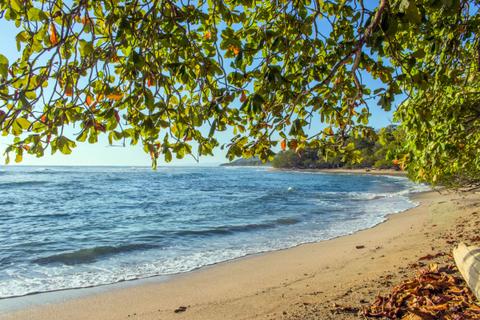
Central & South America
Costa Rica
Costa Rica
Costa Rica's Gold Coast, where cloud forest volcanoes and a private Pacific peninsula share the same week.
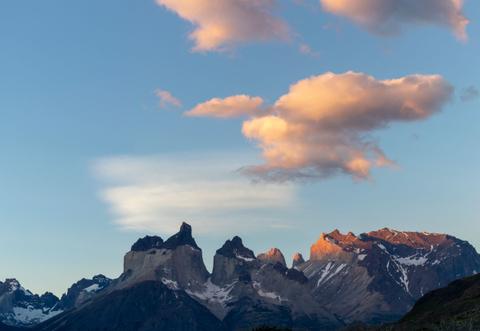
Central & South America
Patagonia (Torres del Paine)
Chile
The end of the Americas, where granite towers rise from the steppe and luxury is measured in solitude.
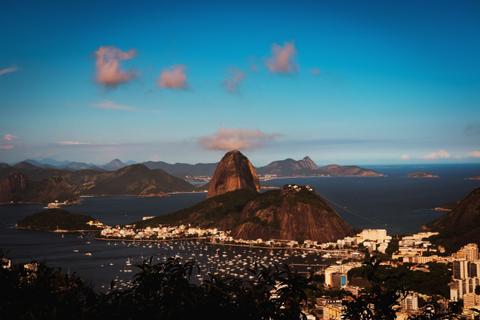
Central & South America
Rio de Janeiro
Brazil
The Marvellous City, where granite peaks meet the Atlantic and the day is measured in light.