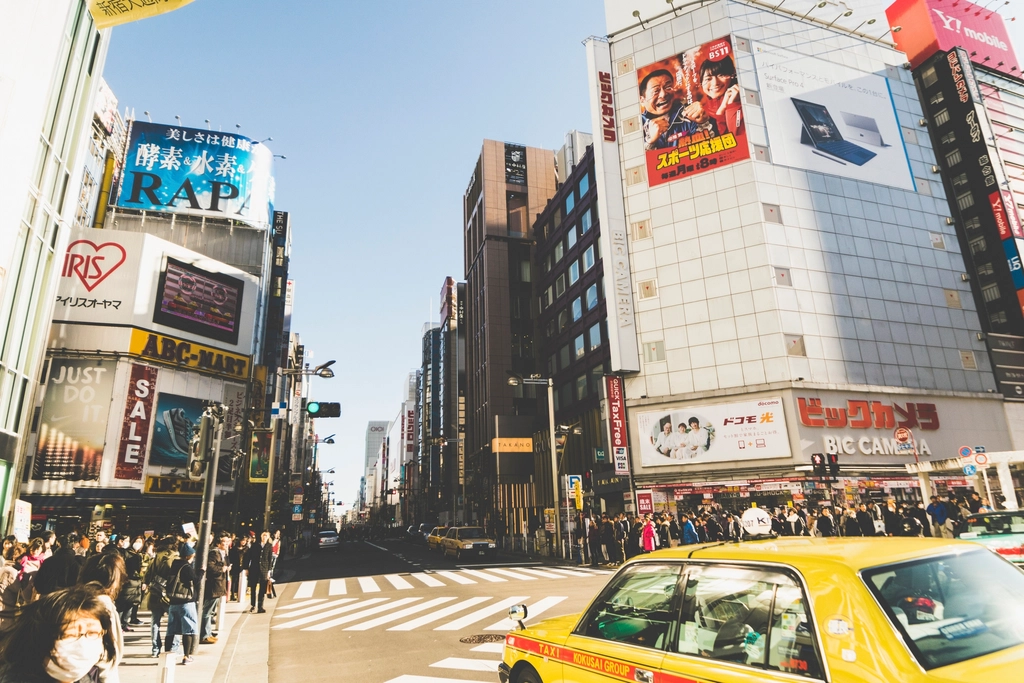
East Asia · Japan
Tokyo
The most decorated dining city on earth, where centuries of craft and a skyline of quiet luxury sit side by side.
Plan this trip →- Suggested stay
- from 3 · 5 ideal · up to 7 nights
- Best season
- Late March to early April for cherry blossom and late October to November for autumn foliage and clear, mild days. Both are peak seasons; reserve hotels and restaurants well in advance. Avoid the humid rainy season of June to mid-July and the heat of August.
Tokyo rewards the traveller who values precision over spectacle. This is a city of 37 million people that somehow runs on courtesy and exactitude, where a department-store food hall and a ten-seat sushi counter are held to the same standard of care. For the discerning visitor it offers the densest concentration of Michelin stars in the world alongside a hospitality culture, omotenashi, that the great Western hotel groups have spent two decades trying to import.
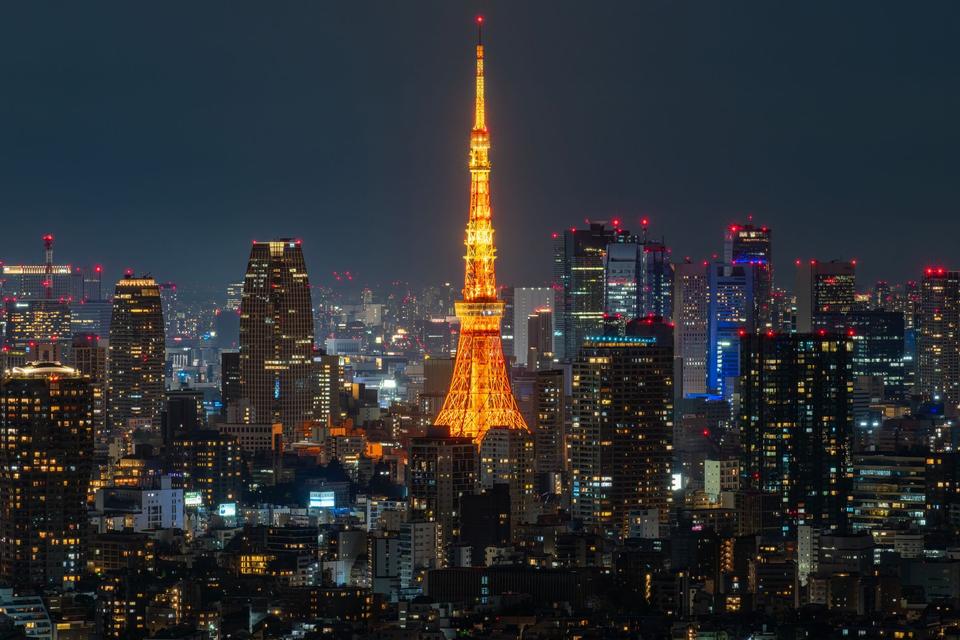
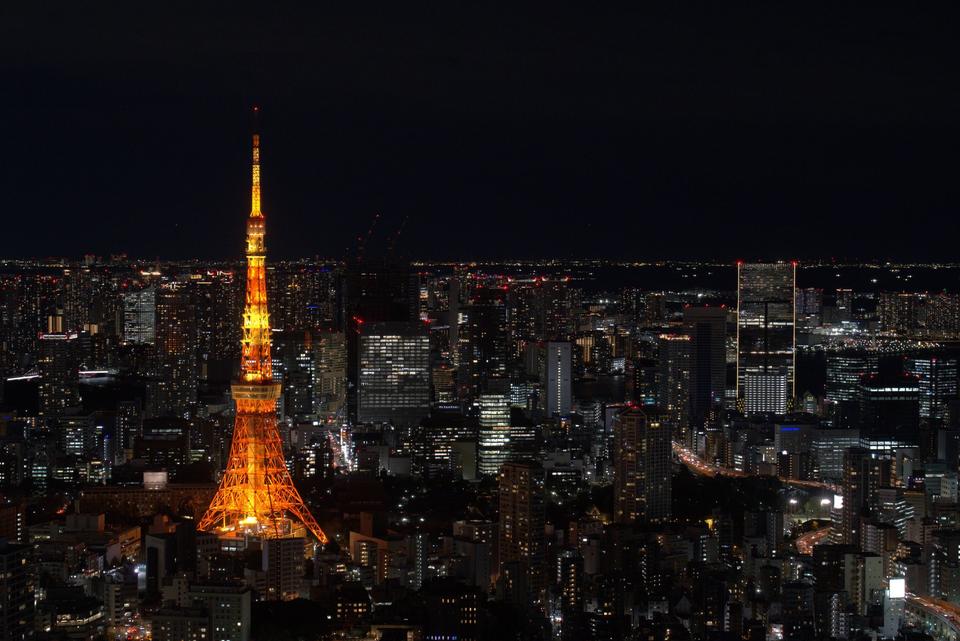
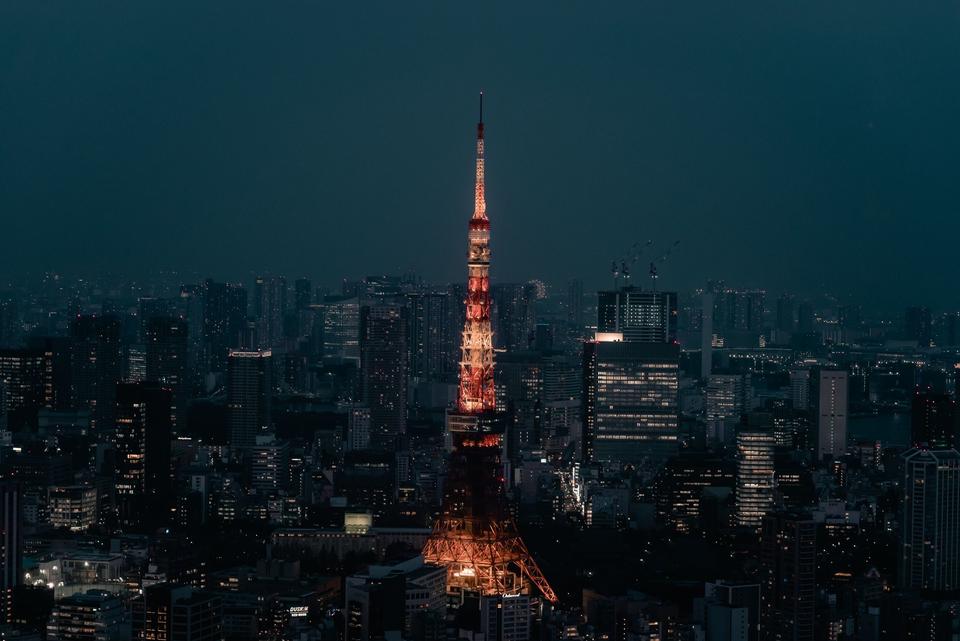
The luxury map is compact and clear. Otemachi and Marunouchi, the financial core beside the Imperial Palace, hold Aman, the Four Seasons and Shangri-La. Ginza anchors the heritage shopping and the grandest French rooms. Omotesando and Aoyama carry the contemporary fashion maisons and the city’s design pulse. Everything is connected by a transit system of near-absurd reliability, though a private chauffeur remains the civilised way to move.
Come for the food and the calm. Tokyo is best taken slowly, in long counter dinners, early-morning temple walks and afternoons among the boutiques, with the understanding that the finest tables here are booked weeks ahead and the best experiences arrive by introduction.
Ideal for
Culinary connoisseurs · Repeat luxury travellers · Design and architecture enthusiasts · Discerning shoppers · Couples
In view
The Setting
Where to stay
The Houses
Aman Tokyo
Aman · Urban sanctuary · Otemachi Tower, Otemachi (financial district, beside Imperial Palace)
Occupying the top six floors of the Otemachi Tower, Aman Tokyo opened in 2014 as the brand's first urban resort. The lobby is a soaring 30-metre atrium wrapped in washi paper, stone and timber, with a 30-metre pool and one of the largest hotel spas in the city. Rooms are among the most spacious in Tokyo, with deep furo bathtubs and uninterrupted views over the Imperial Palace gardens and, on clear days, Mount Fuji.
Why The benchmark for serene urban luxury in Tokyo, combining Aman's residential calm with the city's best palace-side outlook.
Bulgari Hotel Tokyo
Bulgari Hotels & Resorts · Contemporary luxury · Top floors (40th to 45th) of the Tokyo Midtown Yaesu tower, Yaesu (steps from Tokyo Station)
Opened in 2023 on the upper floors (40th to 45th) of the Tokyo Midtown Yaesu tower, the Bulgari brings Italian glamour to the city's most connected address, directly above Tokyo Station. Interiors by Antonio Citterio Patricia Viel pair Roman elegance with Japanese craft. The hotel houses the Michelin-starred Il Ristorante Niko Romito and a Bvlgari Spa with a 25-metre indoor pool.
Why The newest of the great houses, with arguably the best in-house Italian dining and spa in the city and unmatched connectivity.
Mandarin Oriental, Tokyo
Mandarin Oriental Hotel Group · Grande dame · Nihonbashi Mitsui Tower, Nihonbashi (historic merchant district)
Set across the top nine floors of the Nihonbashi Mitsui Tower, the Mandarin Oriental occupies the 30th to 38th floors with panoramic city and Mount Fuji views. The hotel is a long-standing Michelin magnet, with multiple starred restaurants on site, and its spa is consistently rated among Asia's finest.
Why A dining and spa destination in its own right, anchoring the increasingly fashionable Nihonbashi district.
The Peninsula Tokyo
The Peninsula Hotels · Grande dame · Yurakucho/Hibiya (Chiyoda), facing Hibiya Park and the Imperial Palace gardens, between Ginza and the palace
A purpose-built Peninsula opened in 2007, ideally placed between the Ginza shopping district and the Imperial Palace gardens, facing Hibiya Park. Known for generously sized rooms, an exemplary spa, and a fleet of house BMWs and a rooftop helipad. Service is the polished, anticipatory standard the brand is famous for.
Why Faultless service and a prime walk-everywhere location bridging Ginza and the palace, with rare in-city helipad access.
Four Seasons Hotel Tokyo at Otemachi
Four Seasons Hotels and Resorts · Contemporary luxury · Otemachi (financial district, beside Imperial Palace)
Opened in 2020 across the top floors of a glass tower in Otemachi, this is the city's sleek, light-filled Four Seasons (distinct from the older Marunouchi property). Floor-to-ceiling windows frame the Imperial Palace and Mount Fuji, and the top-floor spa and pool are among the most dramatic in Tokyo. Home to the lauded French restaurant est.
Why The most contemporary big-brand option, with knockout high-floor views and a serious dining and spa programme.
The Ritz-Carlton, Tokyo
Marriott / The Ritz-Carlton · Skyscraper landmark · Top floors (45th to 53rd) of Tokyo Midtown tower, Roppongi/Akasaka
Occupying the upper nine floors (45th to 53rd) of the Midtown Tower in Roppongi, one of the tallest buildings in Tokyo, the Ritz-Carlton offers some of the highest guest rooms in the city with sweeping views toward Mount Fuji and the bay. A strong spa, a club lounge with exceptional views, and easy access to the Roppongi art museums.
Why Reliable Ritz-Carlton service with commanding altitude and views, in the gallery-rich Roppongi district.
Where to dine
The Tables
Sézanne
Contemporary French · Restaurant
Inside the Four Seasons Marunouchi, Sézanne built its reputation as the most decorated modern French table in Tokyo under Daniel Calvert; following his 2026 departure its star status is in flux, so confirm the current chef and rating at time of booking.
Den
2 Michelin starsInnovative Japanese · Restaurant
Zaiyu Hasegawa's joyful, deeply personal kaiseki is the warmest fine-dining experience in the city and one of the hardest seats to secure.
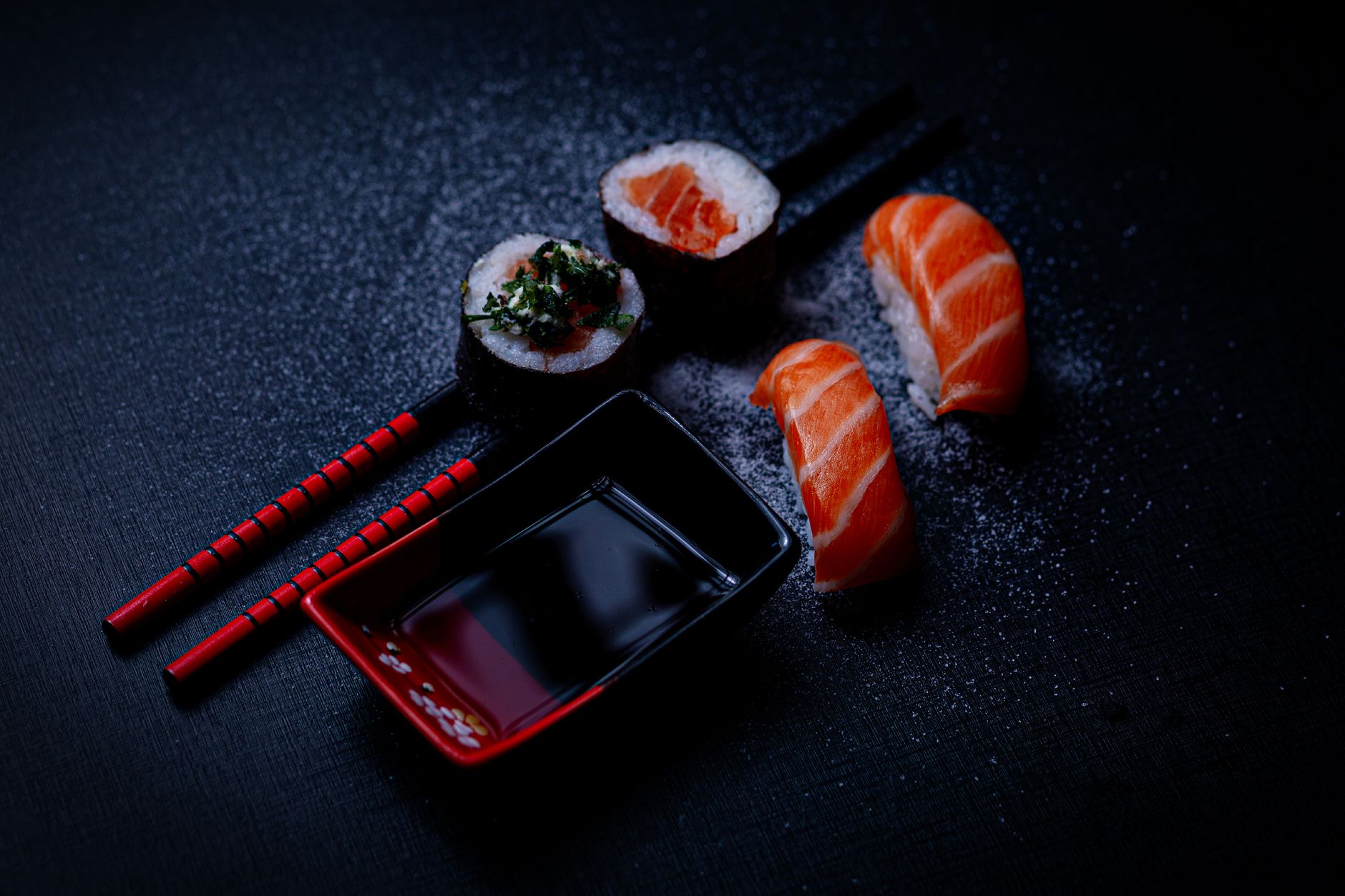
Quintessence
3 Michelin starsContemporary French · Restaurant
Shuzo Kishida's ingredient-driven French cuisine has held three stars since 2008, a rare consistency at the very top.
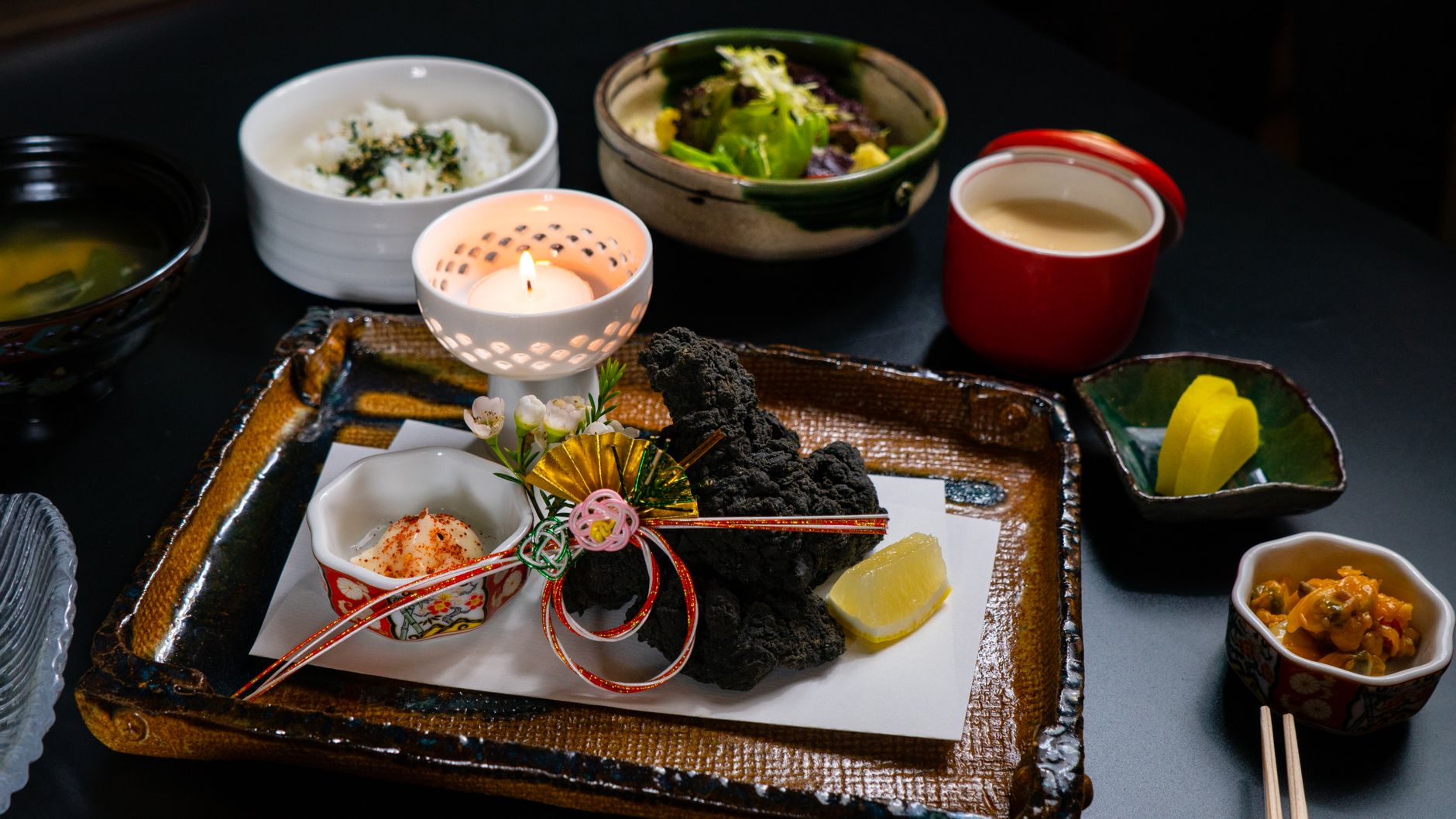
Japanese Cuisine Ryugin (Nihonryori RyuGin)
3 Michelin starsModern kaiseki · Restaurant
Seiji Yamamoto's avant-garde kaiseki is the definitive modern Japanese tasting menu, theatrical yet rooted in tradition.
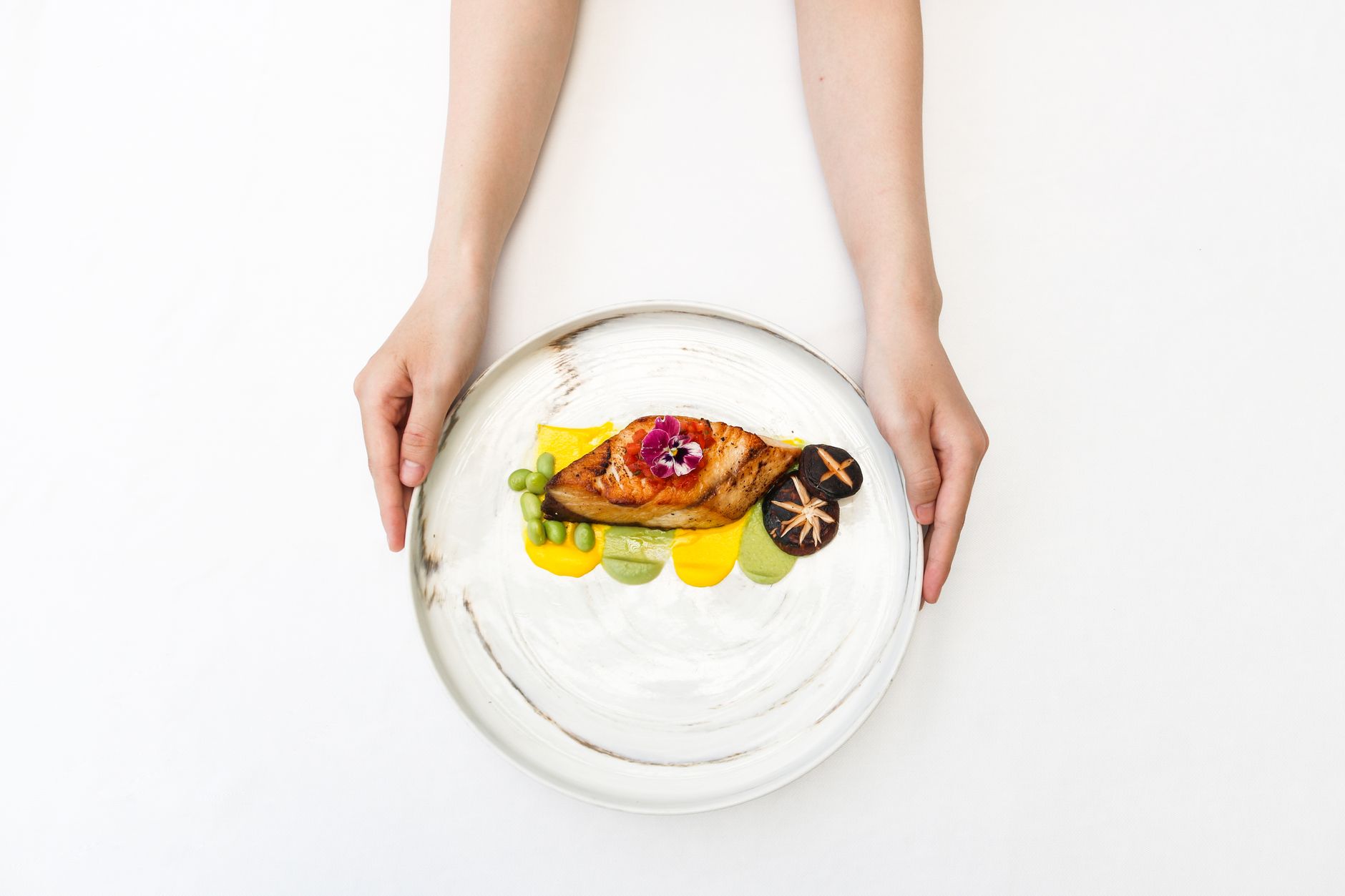
L'Effervescence
3 Michelin starsFrench with Japanese sensibility · Restaurant
Shinobu Namae's flagship in Nishi-Azabu pairs three-star cooking with a genuine sustainability ethos, a rare combination at this level.
L'Osier
3 Michelin starsClassic French · Restaurant
The Shiseido-owned grande dame of Ginza, an opulent, jacket-required French room that defines old-guard luxury dining in Tokyo.
Sukiyabashi Jiro Honten (Ginza)
Edomae sushi · Sushi counter
The Ginza ten-seat counter of Jiro Ono, the most famous sushi master alive; access is effectively by introduction only, typically through a luxury hotel concierge or regular patron.
Sazenka
3 Michelin starsChinese (Japanese-influenced) · Restaurant
Tomoya Kawada's refined Chinese cuisine viewed through a Japanese lens is utterly singular and the rarest of the city's three-star reservations.
What to do
Experiences
Private after-hours teamLab Borderless experience
By appointment / private buyoutArt and culture
Arrange privileged or after-hours access to the immersive teamLab digital art museum in Azabudai Hills, away from public crowds, with a private guide.
Why Tokyo's most photographed art experience, far more powerful when seen in calm and privacy rather than amid daytime queues.
Helicopter flight over Tokyo Bay and toward Mount Fuji
Private charterAerial
A private helicopter departing the bayside heliport for a sweep over the skyline, Rainbow Bridge and Tokyo Bay, with extended charters routing toward Mount Fuji on clear days.
Why The fastest way to grasp the scale of the world's largest metropolis, and a spectacular transfer option for those staying at helipad-equipped hotels.
Private dawn visit to Tsukiji and Toyosu with a chef-guide
Private guided accessCulinary
An early-morning escorted walk through the Tsukiji outer market and the working Toyosu fish market, ideally with a chef or industry insider, including tastings unavailable to walk-in visitors.
Why The beating heart of Tokyo's food culture, best understood with an insider who can open doors that are closed to the public.
Private tea ceremony and garden visit with a tea master
By appointmentCultural immersion
A private chanoyu ceremony conducted by a master in a historic teahouse or private garden, with quiet instruction on the philosophy of the ritual.
Why An intimate, contemplative counterpoint to the city's energy, and one of Japan's most refined cultural traditions experienced one-on-one.
Private sumo stable (heya) morning practice visit
By appointment / introductionCultural
Privileged early-morning access to a sumo training stable to observe practice, arranged through a fixer or concierge, often followed by a chanko-nabe lunch.
Why A rare and authentic window into Japan's national sport that is essentially impossible to arrange without the right introduction.
Guided private access to Ginza ateliers and a master sushi counter
By appointmentBespoke
A curated afternoon and evening pairing private viewings at heritage Ginza craft houses and maisons with a coveted seat at a top sushi or kaiseki counter secured on the client's behalf.
Why Combines Tokyo's two defining luxuries, exquisite craft and counter dining, into a single seamlessly arranged experience.
Shopping
The Maisons
Ginza
Tokyo's grandest shopping district and the home of its flagship boutiques and depachika food halls, anchored by Ginza Six and the historic Wako and Mitsukoshi stores. The natural setting for heritage maisons and fine watches.
Omotesando and Aoyama
A tree-lined avenue often called Tokyo's Champs-Elysees, lined with architecturally significant flagship stores and the contemporary fashion houses, leading into the design boutiques of Aoyama.
Nihonbashi and Marunouchi
The refined, business-district shopping around Tokyo Station and the historic Mitsukoshi and Takashimaya department stores, convenient to the Aman, Mandarin Oriental and Four Seasons.
By appointment
Private salon appointments at flagship Ginza maisons (Hermes, Chanel, Cartier, Van Cleef & Arpels) arranged through hotel concierge · Watch specialist viewings for Patek Philippe and Rolex at authorised Ginza dealers
Arrival & departure
Coming & Going
Airports
The closer of the two airports, roughly 30 to 45 minutes by car from central Tokyo. Preferred for private aviation and most premium arrivals. Business aviation is handled at a dedicated Business Aviation Gate within Terminal 3, operating 24 hours with private lounge, security and CIQ facilities.
Roughly 60 to 90 minutes by car from central Tokyo. Has a dedicated business aviation terminal (Premier Gate) and full FBO support; more slot availability for large-cabin private jets than Haneda.
Private terminals
- Haneda Terminal 3 Business Aviation Gate with dedicated lounge, security, CIQ and porte-cochere (operated by JAL Business Aviation, InterAviation Japan and other FBOs)
- Narita International Airport Business Aviation terminal (Premier Gate) with dedicated GA facilities
Meet & greet · gate escort
- Hotel-arranged VIP greeters and limousine reception at both airports
- Third-party concierge providers (e.g. AirportAssist, SkyVIP, Welcome Wings) offering gate-escort and fast-track services
First-class & arrivals lounges
- JAL First Class Lounge and ANA Suite Lounge at Haneda for premium-cabin and oneworld/Star Alliance first passengers
- Cathay Pacific and other partner first/business lounges at both airports
Private transfers
- Chauffeured luxury sedans and vans (Toyota Century, Alphard, Mercedes S-Class) arranged through hotels or specialist car services
- Hotel house cars (e.g. The Peninsula BMW fleet)
- Private helicopter transfer to in-city helipads, including The Peninsula Tokyo rooftop helipad
Private aviation
- Haneda (HND/RJTT) is the preferred private-jet gateway for central Tokyo, with FBO and ground handling via JAL Business Aviation, Universal Aviation, Jetex and others; slots are limited and require advance coordination
- Narita (NRT/RJAA) offers a dedicated business aviation terminal (Premier Gate) with greater parking and slot availability for large-cabin aircraft
- Minimum 24 hours advance notice is typically required to arrange handling and GA terminal services
Immigration fast-track
Dedicated CIQ (customs, immigration, quarantine) processing is available through the business aviation gates at both Haneda T3 and Narita for private-jet arrivals. For commercial arrivals, VIP meet-and-greet providers offer fast-track immigration assistance and gate escort.
Good to know
Questions & Answers
When is the best time to visit Tokyo? +
Late March to early April for cherry blossom and late October to November for autumn foliage and clear, mild days. Both are peak seasons; reserve hotels and restaurants well in advance. Avoid the humid rainy season of June to mid-July and the heat of August.
How many nights should you spend in Tokyo? +
5 nights is the sweet spot; 3 at a minimum, and up to 7 if you want to take it slowly.
What are the best luxury hotels in Tokyo? +
The Grand Index ranks 6 houses in Tokyo. The ultra-premier tier: Aman Tokyo, Bulgari Hotel Tokyo, Mandarin Oriental, Tokyo, The Peninsula Tokyo. Each is bookable through our advisor at the same rate as direct, with VIP perks layered on.
Which airport do you fly into for Tokyo? +
Tokyo Haneda Airport (HND); Narita International Airport (NRT).
Can I book Tokyo hotels through The Grand Index? +
Yes. Our advisor books every house featured here through Fora, a Virtuoso member agency, at the same rate you would pay direct — with VIP perks such as room upgrades, daily breakfast and a property credit layered on at no extra cost. Begin at the enquiry page.
Where to next
You might also like
East Asia
Hong Kong
Hong Kong
A vertical city of harbour light, Cantonese mastery and quiet old-world service.
East Asia
Kyoto
Japan
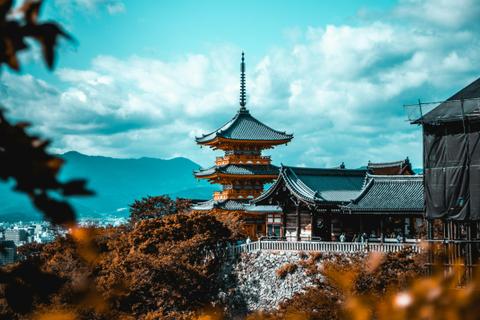
The old capital, where imperial refinement and the world's deepest culinary tradition keep their own quiet hours.
East Asia
Seoul
South Korea
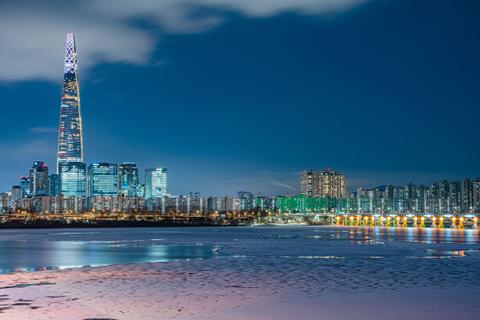
A capital where dynastic palaces, mountain ridgelines and a fearless modern kitchen share the same skyline.